
Market Data API for Stocks, ETFs & Forex
Access real-time, historical, and end-of-day financial data.
Solar Cost for Small Businesses in South Africa: Ranges
See what different system sizes include, where extra costs hide, and how to compare quotes
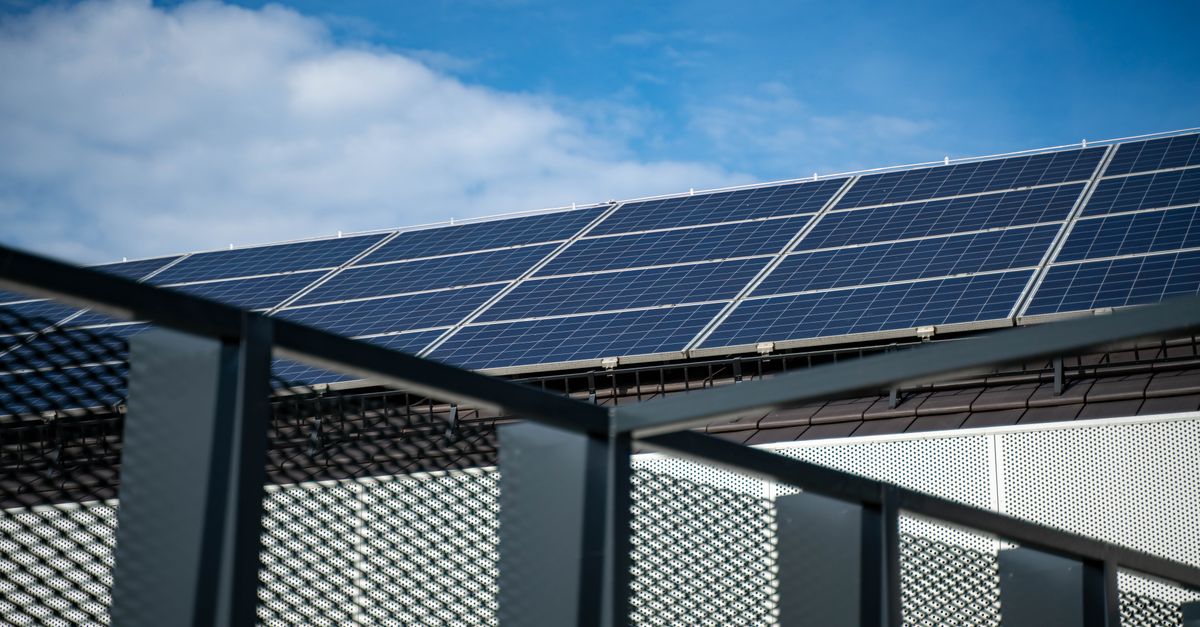
Solar cost for a small business in South Africa can range from about R100,000 for a modest hybrid setup to R500,000 or more for a larger system with substantial battery storage. A grid-tied system without batteries can cost less. Your final price depends on electricity use, roof conditions, inverter capacity, battery size and installation work.
These are planning estimates, not supplier quotes, and equipment prices can change. A well-matched system can reduce daytime grid purchases, while batteries add backup during outages but raise the bill. Below are example budgets, the costs to ask about, and a simple way to decide what to buy.
How much does solar cost for a small business?
For a small South African business, a useful initial budget is roughly R100,000 to R550,000, depending on whether you need battery backup and how much electricity you use. A small grid-tied setup sits towards the lower end; a larger hybrid system with batteries can sit at the top or exceed it.
As a rough 2026 planning guide, a 5 kW hybrid system with a modest battery might cost around R100,000 to R180,000 installed. A 10 kW system with more battery capacity might fall around R180,000 to R330,000, while a 20 kW installation with meaningful storage could be about R350,000 to R650,000. Treat these as indicative ranges: brands, site work and battery capacity can move a quote substantially.
A grid-tied system without batteries may cost less than these hybrid examples. It can power equipment while the sun is available and reduce imported electricity, but it generally does not provide backup during a grid outage. Ask the installer to quote that option separately so you can see what the batteries add to the price.
System size is usually expressed in kilowatts (kW), which describes the inverter's power capacity. Solar panels are commonly described by their kilowatt-peak (kWp) rating, the output they can reach under specified test conditions. Neither number tells you on its own how long the system can run your equipment: that depends on the actual load, sunlight and, for backup, battery capacity.
For a first budget, gather 12 months of electricity bills and note which equipment must keep running during an outage. A bakery with refrigeration and ovens has different priorities from a small office whose computers can shut down safely. Your load profile matters more than picking a system size because it sounds substantial.
What changes the price of a business solar system?
The biggest price differences usually come from battery storage, system size and installation conditions. Two businesses with similar monthly bills can need different equipment if one uses most power in the afternoon and the other relies on refrigeration overnight.
Batteries are often the largest decision after the panels and inverter. They store energy for use later, but adding storage can push a system well above the cost of a daytime-only installation. Ask for the battery's usable capacity in kilowatt-hours (kWh), its expected output limit and which circuits it will support. A battery can have enough stored energy for several hours yet still be unable to run a machine that draws more power than its output limit.
Roof condition and cable routes also affect labour and materials. A simple installation on a sound, accessible roof is different from one that needs roof repairs, long cable runs, a new distribution board or structural work. If the panels go on a carport or ground-mounted frame, ask for those materials and civil works to appear as separate quote items.
Check whether the stated price includes the inverter, panels, batteries, mounting hardware, protection equipment, labour, commissioning and any required electrical certificates. Ask what warranties cover the equipment and workmanship, and who handles a fault claim. A low headline price is hard to compare if it leaves out battery capacity or installation essentials.
Grid connection and municipal requirements need attention too. Requirements can differ by municipality and by system type, so ask your municipality or electricity distributor what approvals, registration or metering steps apply before installation. Have the installer state in writing which application tasks are included and which are yours. Don't assume that switching to solar removes your normal network charges or other fixed bill items.
Also ask whether the quote includes monitoring and system handover. You should know how to read the inverter app, what to do when a warning appears and which loads the backup circuits serve. If the business rents its premises, get the landlord's written approval before equipment is fixed to the roof or connected to the building supply.
How to estimate the right system size
Use your bills and operating schedule to estimate what the system must do, then ask installers to explain their proposed size. Monthly consumption gives you a starting point, but hourly use shows whether solar production lines up with your busiest periods. A business that runs equipment mainly during daylight can often use solar directly; one that closes before sunset may need less battery storage.
Say a small workshop spends R12,000 a month on electricity and uses most of its power during daylight. Suppose a proposed system costs R240,000 and the installer estimates it could reduce the bill by R5,000 a month, before finance costs, maintenance and changes in tariffs. The simple payback calculation is R240,000 divided by R5,000, or 48 months, equal to four years.
That is an illustration, not a forecast. The saving depends on the system's actual output, how much solar power the workshop uses as it is produced, the tariff and fixed charges, and whether the estimate allows for downtime or degradation. Ask for the assumptions behind any savings estimate and compare the proposed monthly saving with your own bills.
Request quotes based on the same requirements: system size, battery capacity, backup circuits, expected annual generation and included work. Ask each installer to show expected output by month, not only a single annual figure. If one quote promises much higher savings, ask what consumption and tariff assumptions explain the difference.
For a business with daytime use and no need to run through outages, choose a grid-tied system without batteries if the lower cost and lack of backup fit your needs. If a power cut could spoil stock, stop production or interrupt customer service, compare a hybrid system that backs up only the equipment you cannot afford to lose. That targeted approach can cost less than trying to keep the whole building running.
Hidden costs, approvals and ways to pay
Electrical and building work can add to the solar bill, so ask for a site assessment before accepting a budget quote. A deteriorating roof, an undersized distribution board or a long route between panels and inverter can require extra work. The installer should identify exclusions clearly and provide written approval for any additional charge before carrying it out.
Other costs can include municipal application work, metering changes, monitoring, maintenance and insurance adjustments. These don't apply in the same way to every business, so check them for your address and system design. Ask your insurer whether the panels, inverter and batteries need to be listed separately and what proof of installation it requires.
Businesses commonly compare an outright purchase with asset finance, a business loan or a solar service agreement. An outright purchase avoids borrowing costs but uses cash the business might need for stock or payroll. Finance spreads payments over time, but compare the full repayment amount and any fees with the expected bill saving; don't judge it by the monthly instalment alone.
Before agreeing to a long-term service contract, check who owns the equipment, who pays for repairs, what happens if you move premises and how the agreement ends. Ask for the total payments over the full term, not just an advertised starting price. A contract that keeps cash available can still cost more overall.
Tax treatment depends on the business, the asset and the rules that apply at the time. Don't assume that a previous solar tax incentive remains available or that your system qualifies automatically. Check the latest guidance with SARS for business tax rules and ask a tax practitioner how the purchase should be treated in your accounts.
This is general information, and a licensed financial services provider, tax practitioner or your local electricity regulator can advise on your own situation.
How to compare solar quotes and make a decision
Compare the scope and operating assumptions, not just the total price. Get at least two written quotes after a site assessment, and check that each one names the equipment, battery capacity, backup circuits, exclusions, warranties and expected output. If a supplier won't explain how the system is sized, get another opinion.
Ask for a clear timeline covering site assessment, any approvals, installation and commissioning. The installation itself may take only a few days for a straightforward job, but equipment availability, roof work and municipal processes can lengthen the full project. Get the timeline and the party responsible for each approval in writing.
Choose the smallest system that meets a documented business need, rather than buying extra battery capacity because it sounds safer. If daytime savings are the priority, size around daytime consumption. If backup is the priority, list the equipment that must stay on and ask for a design that supports those loads for a stated number of hours.
Before you sign, take your latest electricity bills, a list of essential equipment and the written quotes, then compare the expected savings with the full installed price and any finance repayments. Confirm local approval requirements with your municipality and have a tax practitioner check any tax assumptions before treating them as part of the business case.
Read More
Read more articles on the topics that interest you
7 Ways to Invest R10k in South Africa: 2026 Options
Compare risk, access and costs before choosing where your first R10,000 should go

How to Ask for a Raise in South Africa: What to Say
Build a case with evidence, choose your timing and practise a script before the meeting

How to Buy Bitcoin in South Africa Legally in 5 Steps
Choose a provider, pay in rand, check the costs and keep tax records

How to Price Freelance Services in South Africa: 5 Steps
Set an hourly floor, account for quiet months and quote projects without guessing
How to Get Funding for a Small Business in South Africa
Compare loans, grants and investors, then prepare an application that fits your business
How to Buy Gold in South Africa: Is It Worth It?
Compare coins, bars and JSE funds, then weigh the costs before you buy