
Market Data API for Stocks, ETFs & Forex
Access real-time, historical, and end-of-day financial data.
7 Ways to Invest R10k in South Africa: 2026 Options
Compare risk, access and costs before choosing where your first R10,000 should go
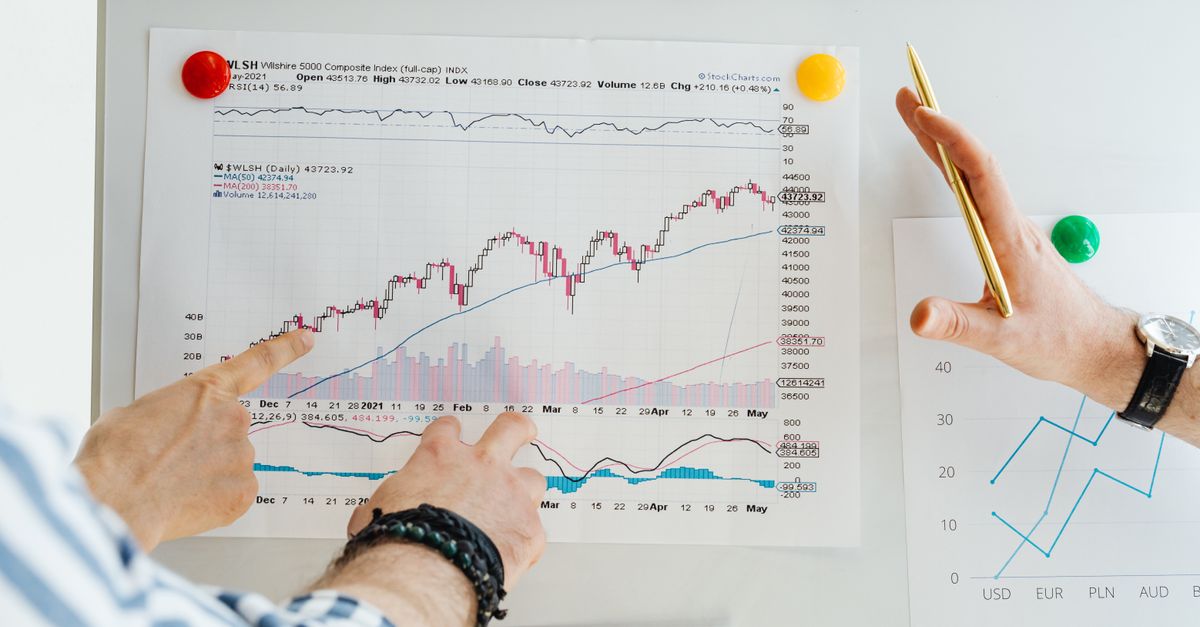
You can invest R10,000 in South Africa through a tax-free savings account, a JSE-listed exchange-traded fund, a bank deposit, RSA Retail Savings Bonds, a unit trust, debt repayment or a skills investment. The best choice depends on when you need the money, whether you have expensive debt and how much short-term loss you can tolerate. For a goal more than five years away, a low-cost diversified share fund is a reasonable starting point; money needed sooner belongs somewhere less volatile.
R10,000 is enough to get started, but it is not enough to make every option suitable. Fees, tax, access rules and market swings can change the result. The comparisons below explain how each route works, when it fits and what to check before you pay in.
7 ways to invest R10k in South Africa
1. Use a tax-free savings account for long-term growth
A tax-free savings account, or TFSA, can shelter investment growth and income from tax if you follow the rules. You can open one through a bank or investment provider, then choose eligible products such as a cash account or a share fund. A TFSA is an account type, not a guarantee of growth: the investments inside it still carry risk.
For a long horizon, a diversified equity fund inside a TFSA can be a fit if you can leave the money invested through market falls. If you may need the R10,000 within a year or two, a cash option inside a TFSA avoids share-market swings, though its return will depend on the provider and interest rates.
Annual and lifetime contribution limits apply, and excess contributions can attract tax. Limits and product rules can change, so check the SARS website for current tax-free investment rules before contributing. Withdrawals do not restore contribution room, so avoid treating a TFSA as a handy account for repeated deposits and withdrawals.
2. Buy a diversified JSE-listed ETF
An exchange-traded fund, or ETF, holds a basket of investments and trades on the JSE like a share. With R10,000, you can buy units in a fund tracking a broad market index, rather than choosing individual companies. A local equity ETF may rise or fall with share prices, and a fund with offshore exposure also carries currency movements.
Compare the fund’s investment mandate, annual charge, trading costs and spread between the buy and sell prices. A broker may charge a transaction fee or account fee, and even a small charge matters more on a modest balance. Check the provider’s fee schedule before placing an order; do not assume the fund’s stated annual charge is the only cost.
For a long-term goal, a broad ETF can be simpler than trying to guess which single share will do well. It can still lose value, including over several years. If you need the money on a fixed date soon, a share ETF is a poor match for that date.
3. Keep it in a bank savings or money-market account
A bank savings account or money-market fund suits money you may need soon, such as a car repair reserve or next year’s course fees. A bank deposit is generally more stable in rand terms than shares, while a money-market fund invests in short-term debt and is not the same as a bank deposit. Neither should be treated as a promise of a fixed investment return unless the product terms say so.
Compare the interest or yield, fees, withdrawal conditions and any minimum balance. Rates change, so check the bank’s or fund manager’s own page at the time you open the account. Tax on interest may apply depending on your circumstances and the relevant rules; the displayed rate is not necessarily your after-tax return.
4. Consider RSA Retail Savings Bonds
RSA Retail Savings Bonds let individuals lend money to the South African government under the terms of the specific bond selected. Depending on the issue, the rate may be fixed or linked to inflation, and the investment period and access conditions differ. Read the current terms on the National Treasury website before choosing a bond.
This can suit someone who wants a rand-based investment and can keep to the bond’s conditions. It is less suitable if you might need the money quickly, since early withdrawal rules can restrict access or affect the amount paid. Interest is taxable under the applicable tax rules, so compare the after-tax outcome with a TFSA or deposit account.
Match the investment to your time frame and finances
5. Invest through a unit trust
A unit trust pools investors’ money into a fund run to a stated mandate, such as local shares, bonds or a mix of assets. You can invest a lump sum through a fund manager or investment platform, and some providers allow smaller additional contributions. The fund’s value can rise or fall, and the manager’s decisions do not remove market risk.
Read the fund fact sheet for its objective, holdings, risk level and total costs. Compare the annual management charge with any platform, advice or transaction fees. A balanced fund can hold both shares and bonds, but the name alone does not tell you whether its risk suits your goal.
Unit trusts and ETFs can have similar underlying investments, so owning both does not automatically diversify you. Check the holdings for overlap. If you want a simple portfolio, one broad fund may be easier to monitor than several funds with nearly identical exposure.
6. Pay down expensive debt
Repaying high-interest debt can be one of the strongest uses of R10,000 because it cuts future interest charges. If a credit-card balance is growing, paying it down gives a certain reduction in the interest you would otherwise owe, based on your account terms. That is different from an investment return, which can be positive or negative.
Keep enough cash for essential bills and emergencies before using every rand to repay debt. Otherwise, an unexpected expense could push you back onto the card. Check whether the debt has early settlement charges or other terms, and keep making the required monthly payment after a lump-sum repayment.
7. Pay for a skill or small business test
R10,000 can pay for a targeted course, exam or piece of equipment that helps you earn more, but treat it as an investment with a testable outcome. Choose a skill tied to a real job requirement or customer need, such as bookkeeping software, a recognised safety certificate or a specific design tool. Check the course provider, assessment method and total cost before paying.
If you want to start a small business, spend in stages. For example, use a small amount to test demand for a product or service before buying stock or equipment with the full R10,000. Write down the expected costs, likely selling price and how many sales would cover those costs. A business can take months to generate income, and it can lose the full amount.
How to choose, and what R10,000 could look like
Start with the date you need the money. If it is within two years, prioritise access and lower volatility, such as an appropriate savings option or bond with terms that fit. For a goal at least five years away, a diversified share fund may offer more growth potential, but you must be able to tolerate falls without selling in a panic.
Then check your debt and cash buffer. If you have high-interest credit-card debt, paying it down usually takes priority over investing in shares. If you have no emergency reserve, keep some of the money accessible before locking it away or putting it into a volatile fund.
Say you have R10,000, no high-interest debt and a goal seven years away. One possible illustration is R7,000 in a diversified equity fund through a TFSA, if you have contribution room and can accept share-market falls, with R3,000 kept in an accessible savings account. The split is not a forecast or a universal formula; it shows how one person could balance growth exposure with access to cash.
For a different situation, say you need the R10,000 for a deposit in 12 months. Putting it all in shares could leave you forced to sell after a fall. A suitable savings account or a bond whose term and withdrawal rules fit the date is a more sensible match, even if its return is lower than the hoped-for share-market gain.
A common mistake is to compare headline returns while ignoring costs and tax. A fund with a low advertised charge can still have platform and trading costs, and interest or investment income may be taxed outside a TFSA. Compare the total cost and the amount you can access after tax, not just a rate shown in an advert.
Another mistake is investing money that should first cover overdue bills or a basic emergency. Selling an investment at a bad time to pay a necessary expense can turn a temporary market fall into a realised loss. Money needed for rent, food or a near-term payment should not be exposed to share-market risk.
Fees, rates, tax limits and product conditions can change. Confirm current details with the provider and, for tax rules, with SARS. A licensed financial services provider, tax practitioner or relevant regulator can advise on your own situation; this is general information.
Before you invest today, write down when you need the R10,000 and whether you have high-interest debt. If the goal is long term and your cash buffer is in place, compare the total costs of a diversified ETF or unit trust inside a TFSA; otherwise, choose an accessible lower-risk option or reduce expensive debt first.
Read More
Read more articles on the topics that interest you
Solar Cost for Small Businesses in South Africa: Ranges
See what different system sizes include, where extra costs hide, and how to compare quotes

How to Ask for a Raise in South Africa: What to Say
Build a case with evidence, choose your timing and practise a script before the meeting

How to Buy Bitcoin in South Africa Legally in 5 Steps
Choose a provider, pay in rand, check the costs and keep tax records
How to Price Freelance Services in South Africa: 5 Steps
Set an hourly floor, account for quiet months and quote projects without guessing
How to Get Funding for a Small Business in South Africa
Compare loans, grants and investors, then prepare an application that fits your business
How to Buy Gold in South Africa: Is It Worth It?
Compare coins, bars and JSE funds, then weigh the costs before you buy