
Market Data API for Stocks, ETFs & Forex
Access real-time, historical, and end-of-day financial data.
How to Buy Bitcoin in South Africa Legally in 5 Steps
Choose a provider, pay in rand, check the costs and keep tax records
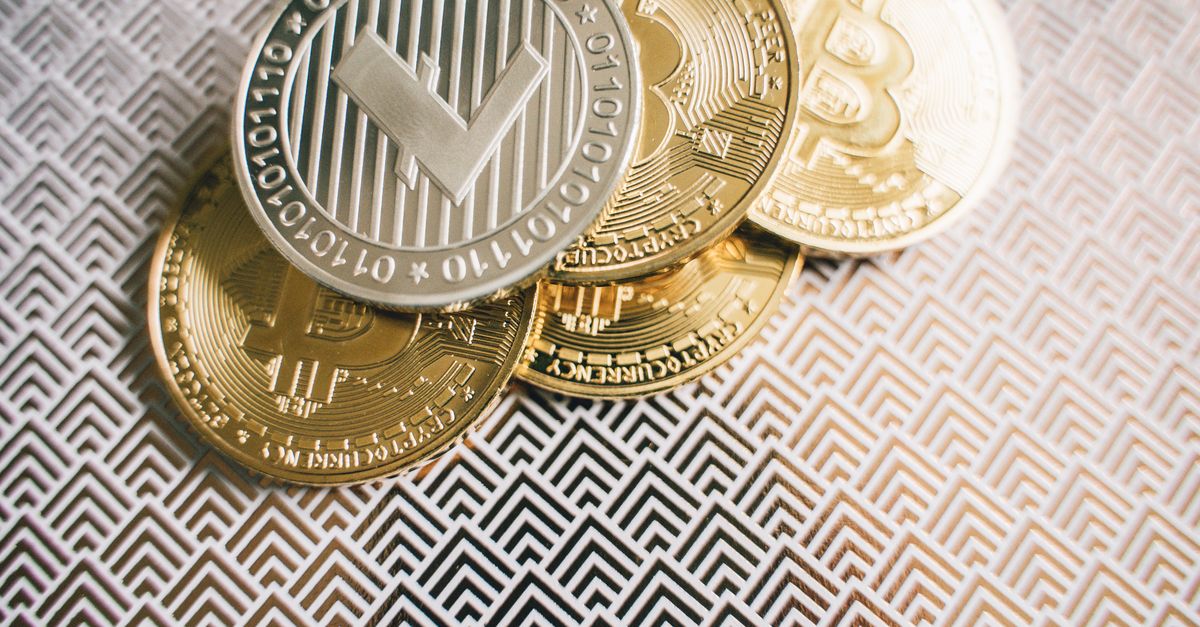
You can buy Bitcoin legally in South Africa by opening an account with a crypto provider, completing its identity checks, paying from your own bank account and placing an order. Bitcoin is not legal tender, and its price can fall sharply, but buying it is not prohibited. Before depositing money, check the provider’s status with the FSCA, compare its full fees and decide how much you can afford to lose.
The legal and tax details matter as much as the buying steps. Crypto asset service providers fall under South Africa’s financial services regulatory framework, while SARS may tax gains or income from Bitcoin transactions. The steps below explain what to check, how a rand purchase works, what it can cost and which records to keep.
How to buy Bitcoin in South Africa legally
The basic process is the same whether you buy a fraction of a Bitcoin or a whole one: choose a provider, verify your identity, deposit rand, place an order and secure your Bitcoin. You do not need to buy a whole coin. Providers generally allow purchases in small rand amounts, though minimum order sizes vary.
Choose a provider and check its status. Compare established platforms that serve South African customers, such as Luno and VALR. Before signing up, search the provider’s legal name on the FSCA’s official register and confirm that its authorisation covers the service you intend to use. A familiar brand or app is not proof of authorisation, and a listing should not be treated as a promise that your investment is protected against loss.
Open an account in your own name. The provider will usually ask for personal details and identity verification, often called know-your-customer checks. Use your own identity documents and bank account. An account in somebody else’s name can create withdrawal problems and make it harder to show SARS where your money came from.
Deposit rand using the provider’s instructions. Choose a supported local payment method and follow the reference instructions exactly. Check the deposit limit, minimum amount and processing time in the provider’s own app or website. A deposit that uses the wrong reference can take longer to reconcile.
Place a Bitcoin order. Enter the rand amount, check the estimated Bitcoin quantity and review the fee before confirming. A market order buys at the available market price, which can change while the order is processed. A limit order lets you set a price, but it may not fill if Bitcoin never reaches that level.
Secure the account and save your records. Turn on two-factor authentication, use a unique password and keep recovery details safe. Download transaction statements or save the order confirmations, deposit records and fee details for your tax records.
For a first purchase, use a small amount and test the full process, including a withdrawal if you plan to hold Bitcoin in your own wallet. This lets you spot account or transfer issues before they involve a larger sum. Check the provider’s withdrawal rules first, since a network fee or minimum withdrawal can make a small test transfer uneconomical.
What does it cost to buy Bitcoin in South Africa?
The cost depends on the platform, payment method, order type and Bitcoin price when your trade executes. Look beyond the headline trading fee: the price you pay can include a spread, the difference between the buying and selling prices, as well as deposit, withdrawal or network fees. Providers change their fee schedules, so check the current charges on the provider’s own page before you trade.
Say you deposit R1,000 and the order screen shows R10 in total trading costs. About R990, before any other charges, goes towards the Bitcoin purchase. If you later sell, you may pay another trading cost, and a cash withdrawal could have its own fee. This is an illustration, not a quoted fee for any named provider.
A small purchase can face a larger percentage cost if there is a fixed minimum fee. For example, a R10 charge is 1% of R1,000 but 10% of R100. Check whether the quoted amount includes the spread and whether the platform charges separately to move Bitcoin to an external wallet.
If you are comparing Luno and VALR, compare the same transaction on both platforms: the rand amount, estimated Bitcoin received, payment fee and cost to withdraw. A lower advertised trading fee does not guarantee a cheaper purchase if the spread or withdrawal charge is higher. At the time of writing in 2026, confirm each provider’s current charges and supported payment methods directly with that provider.
How to check a provider’s legal status
South Africa has not made Bitcoin legal tender, but that is different from making it illegal to buy. The FSCA has brought crypto asset services into its financial services regulatory framework. Its licensing requirements apply to relevant providers, but an FSCA licence does not protect the value of Bitcoin or guarantee that you can recover money after a platform failure.
Search the provider’s full legal name, not just its app or trading name, on the FSCA website to check its register and regulatory information. Confirm that the record is current and that the authorised services match what you plan to use. If you cannot match the provider to a clear register entry, pause and ask the provider for its legal name and authorisation details before sending money.
Also read the provider’s terms for South African customers. Check how it holds customer assets, what happens if withdrawals are paused, which complaints process applies and whether the service is provided by a local or overseas legal entity. A regulated provider still carries operational and cyber risks, and Bitcoin itself has no deposit guarantee.
Be wary of someone promising a fixed return, asking you to send Bitcoin to an individual wallet or pressuring you to act quickly. A legitimate provider does not need your password or two-factor code. If a person claims to manage your money, check their authorisation independently rather than relying on a screenshot, social media profile or referral link.
What tax and records should you expect?
SARS treats crypto assets as taxable, with the tax outcome depending on the facts and how you acquired, held and disposed of them. Selling Bitcoin for rand, exchanging it for another crypto asset or spending it can have tax consequences. SARS may treat a gain as revenue or a capital gain depending on the circumstances, including your intention and pattern of activity.
Keep the date and rand value of each purchase, sale, exchange and payment, along with fees and transaction confirmations. If you transfer Bitcoin between wallets you own, retain evidence that both wallets belong to you; a transfer is different from a sale, but unclear records can make the history difficult to establish. Keep bank statements and provider reports too.
Do not assume that a small transaction or a loss means there is nothing to report. The correct tax treatment depends on the details, and tax rules can change. Check SARS’s official information at SARS for current guidance on crypto asset tax, and speak to a tax practitioner if you trade frequently, receive Bitcoin for work or have a complicated transaction history.
Buying through an overseas platform can raise extra questions about payments and foreign exchange rules. Do not assume that a crypto purchase is automatically covered by a particular allowance or that a card payment avoids those rules. Ask your bank or a suitable adviser how the payment should be handled before moving a large amount offshore.
Should you keep Bitcoin on a platform or use a wallet?
Keeping Bitcoin on a provider’s platform is simpler for a small first purchase, but you rely on the provider to protect your account and process withdrawals. Moving it to a wallet you control gives you more direct control, but you become responsible for the recovery phrase and any transfer mistakes. Bitcoin sent to the wrong address generally cannot be reversed.
If you choose a personal wallet, learn how its recovery phrase works before transferring funds. Never share that phrase, store it in a public cloud note or type it into a link sent by a stranger. For a larger balance, consider how you would recover access if your phone were lost, and test the process with a small amount first.
Choose a platform balance if convenience matters more and you have checked the provider’s rules and security features. Consider a wallet you control if you understand the extra responsibility and can protect the recovery details. Neither option removes Bitcoin’s price risk, and moving assets can add network costs.
How much Bitcoin should a beginner buy?
There is no amount that suits everyone. Treat Bitcoin as a high-risk investment, not a substitute for an emergency fund or money you need for rent, debt repayments or near-term plans. Its price can move sharply, and you could lose a substantial part of what you put in.
Say you earn R30,000 a month and have R5,000 left after essential expenses and existing savings commitments. If you decide to invest R500 in Bitcoin, that is 10% of the R5,000 monthly surplus, not 10% of your salary. The calculation does not make the purchase safe; it simply shows why you should set a limit from money you can afford to leave invested or lose.
If you are new to Bitcoin, choose a small one-off amount rather than borrowing to buy or committing money needed for bills. If you already have high-interest debt or no emergency savings, deal with those needs before taking on a volatile asset. If you want exposure but dislike managing a crypto account, compare the risks and costs of direct ownership with any regulated investment product available to you, rather than assuming the two are equivalent.
This is general information, not personal financial, tax or legal advice; a licensed financial services provider, tax practitioner or relevant regulator can advise on your situation. Before making a purchase today, compare the FSCA register entry, total cost for the same rand order and withdrawal rules of two providers, then use only an amount that will not disrupt your essential spending.
Read More
Read more articles on the topics that interest you
How to Price Freelance Services in South Africa: 5 Steps
Set an hourly floor, account for quiet months and quote projects without guessing
How to Get Funding for a Small Business in South Africa
Compare loans, grants and investors, then prepare an application that fits your business
How to Buy Gold in South Africa: Is It Worth It?
Compare coins, bars and JSE funds, then weigh the costs before you buy
Is Property Still a Good Investment in South Africa? 2026
A clear way to compare rental income, bond costs and listed alternatives

How to Start a Business in South Africa With R5,000
A low-cost plan for testing demand, finding customers and handling the basics

How Much Do You Need to Retire in South Africa? 3 Rules
Estimate your target from monthly spending, then adjust for housing, healthcare and investment risk