
Market Data API for Stocks, ETFs & Forex
Access real-time, historical, and end-of-day financial data.
How to Buy Gold in South Africa: Is It Worth It?
Compare coins, bars and JSE funds, then weigh the costs before you buy
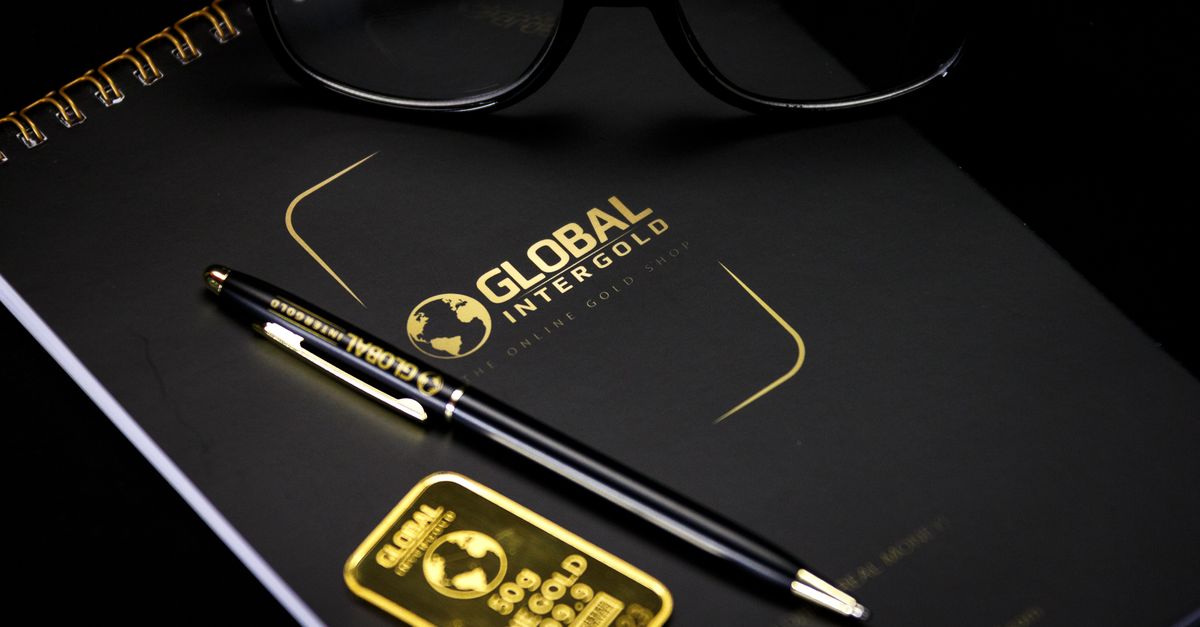
To buy gold in South Africa, choose between physical bullion, such as a Krugerrand or gold bar, and a JSE-listed gold fund bought through a broker. Gold can make sense as a small diversifier if you can tolerate price swings and don’t need regular income. For most first-time investors, a listed fund is simpler to buy and sell; physical gold gives you direct ownership but adds storage, insurance and resale costs.
Your return depends on more than the world gold price. The rand exchange rate, the premium charged when you buy, the price a dealer offers when you sell, and any fund fees all matter. Below are the main routes, how to check a purchase, and a worked example showing why a small price gap can affect your result.
How to buy gold in South Africa
You can buy physical gold from an established bullion dealer or buy exposure through a stockbroker on the JSE. Before paying, check what you own, what it costs to sell, and how you’ll hold it.
For physical gold, compare the price of the same product across reputable sellers. Ask for the total price, including any delivery or handling charges, and the seller’s buy-back terms. A Krugerrand is a well-known South African bullion coin; bars are another option. A coin’s familiar name doesn’t remove the need to check its weight, purity, condition and authenticity.
Use a dealer that provides a written invoice and clear product details. Keep the invoice and any packaging or certificate supplied with the gold. They can help establish what you bought and support a later sale, though packaging alone is not proof of authenticity.
For a listed gold fund, open an account with a broker that offers JSE trading, fund the account and search for the fund by its name or JSE code. Read its fact sheet and prospectus before placing an order. Check what the fund holds, how it tracks gold, its annual costs, the bid and offer prices, and how units can be bought or sold.
A fund gives you investment exposure through securities in an account, not a gold coin to take home. The fund’s structure and custody arrangements matter, so don’t assume every product gives you the same claim on physical metal. The JSE’s site is a place to check general information about the exchange and listed products; use the issuer’s documents for the terms of a specific fund.
Physical gold, gold funds and jewellery compared
Physical bullion suits buyers who value direct possession and accept the extra work of keeping it safe. You’ll need a secure place to store it, and home insurance may not cover valuable bullion automatically. Ask your insurer about limits, proof of ownership and any storage conditions before relying on a policy.
Gold funds are usually easier to trade in smaller amounts, but they have product costs and market prices that can differ slightly from the value of the underlying gold. You also rely on the fund’s legal structure, service providers and trading arrangements. Check the issuer’s documents, rather than treating the name “gold ETF” as a full explanation of what you own.
Jewellery is generally a poor substitute for bullion as an investment. The price includes design and workmanship, and a second-hand buyer may value it mainly for its gold content. If you want jewellery to wear, assess it as a purchase you enjoy, not as a reliable way to track gold’s investment return.
If you want simple price exposure and easy trading, compare JSE-listed gold funds first. If owning a physical coin matters to you and you can store it safely, compare bullion dealers’ premiums and buy-back prices. If you might need the money soon, either route can be a poor fit because gold prices can fall just when you need to sell.
What does gold cost, and what can reduce your return?
The price you pay for a coin or bar is usually not identical to the quoted international spot price. A dealer’s selling price can include a premium, while its buy-back offer can sit below the market value. The difference between your purchase price and a realistic resale price is a cost, even when it isn’t labelled as a fee.
With a listed fund, costs can include brokerage, the bid-offer spread and the fund’s ongoing expenses. Your broker sets its own charges, and these can change, so check its fee schedule at the time you place an order. A small purchase can be disproportionately affected by a fixed trading charge.
Here’s an illustration, not a live quote. Say a physical coin’s reference gold value is R10,000, but the dealer charges a 5% premium. You pay R10,500 before any delivery or storage cost. If a later buy-back offer is 3% below the reference value, you receive R9,700 when that reference value is still R10,000, a R800 loss before other costs.
Gold would need to rise enough to cover that gap before you made a profit on the sale. The exact break-even point depends on the actual buy and sell prices, not a headline gold price. Ask a dealer for both prices on the same product on the same day, or compare the fund’s dealing costs before buying.
The rand also matters. International gold prices are commonly quoted in US dollars, so a change in the rand-dollar exchange rate can lift or reduce the rand value of gold even if the dollar price barely moves. A weaker rand can support the local price, while a stronger rand can work against it. Neither the currency nor gold’s price moves in a predictable straight line.
Is gold worth buying in South Africa?
Gold can be worth holding as one part of a portfolio, but it does not pay interest or dividends. Your potential gain comes from selling for more than your total purchase and holding costs. That makes it different from an interest-bearing savings product or an investment in a company that may distribute earnings.
There is no single ideal allocation for everyone. A useful decision rule is to avoid putting money you need for near-term bills, debt repayments or an emergency fund into gold. If you already have accessible savings and a diversified investment plan, you could consider a modest allocation that you can hold through a fall without being forced to sell.
Say you earn R30,000 a month and have R10,000 available to invest. Putting all R10,000 into gold would leave that money exposed to one asset’s price movements. If you’re considering gold for diversification, decide on a maximum share of your investments first, then compare it with other holdings and your time horizon. The example is a decision aid, not a recommended allocation.
Gold may appeal to you if you want an asset that differs from shares and cash, or if you want to own a physical coin. It is less suitable if you expect regular income, need a stable short-term value, or would be distressed by a fall in price. Past price rises cannot tell you what your return will be after purchase premiums, fees and currency movements.
A common mistake is to focus on the gold price shown in the news and ignore the amount a dealer will actually pay you. Another is to buy a coin without checking whether its condition affects resale. Before committing, get the seller’s written buy-back terms and ask whether the offer changes for opened packaging, damage or a missing certificate.
Tax, safety and checks before you buy
Tax treatment depends on the product and your circumstances. A sale at a profit may have tax consequences, and different rules can apply to different forms of gold. Don’t assume a coin or fund is tax-free because it is described as bullion or an investment product.
At the time of writing, check the relevant SARS guidance and the product documents for the current treatment of your purchase and any later sale. For a fund, read its tax information as well as your broker’s records. Keep purchase statements and sale records so you can establish dates and costs when you need to report a transaction.
Be cautious of offers that promise a fixed return, press you to pay quickly, or quote a price far below comparable sellers. Verify the seller’s identity, get the product and payment terms in writing, and avoid transferring money to a personal account unless you have independently confirmed who controls it. If you’re unsure about a financial product or intermediary, check the FSCA’s information on regulated financial services; that does not replace checking a bullion dealer’s specific credentials and terms.
Tax and investment rules can change, so confirm current requirements with SARS guidance on tax before acting. This is general information, and a licensed financial services provider, tax practitioner or relevant regulator can advise on your own situation.
Before buying, get a same-day cash purchase price and resale quote for the exact coin or bar, then compare that gap with the total costs of a JSE-listed fund. If you can’t explain how you’ll sell the product and what it will cost, wait before paying.
Read More
Read more articles on the topics that interest you

How to Get Funding for a Small Business in South Africa
Compare loans, grants and investors, then prepare an application that fits your business
Is Property Still a Good Investment in South Africa? 2026
A clear way to compare rental income, bond costs and listed alternatives

How to Start a Business in South Africa With R5,000
A low-cost plan for testing demand, finding customers and handling the basics

How Much Do You Need to Retire in South Africa? 3 Rules
Estimate your target from monthly spending, then adjust for housing, healthcare and investment risk

What Is Inflation? How It Affects Your Salary in South Africa
See what rising prices do to your buying power, plus how to assess a raise
Why the Rand Loses Value Against the Dollar: 5 Causes
See how interest rates, exports and investor confidence shape the exchange rate and your costs