
Why the Rand Loses Value Against the Dollar: 5 Causes
See how interest rates, exports and investor confidence shape the exchange rate and your costs
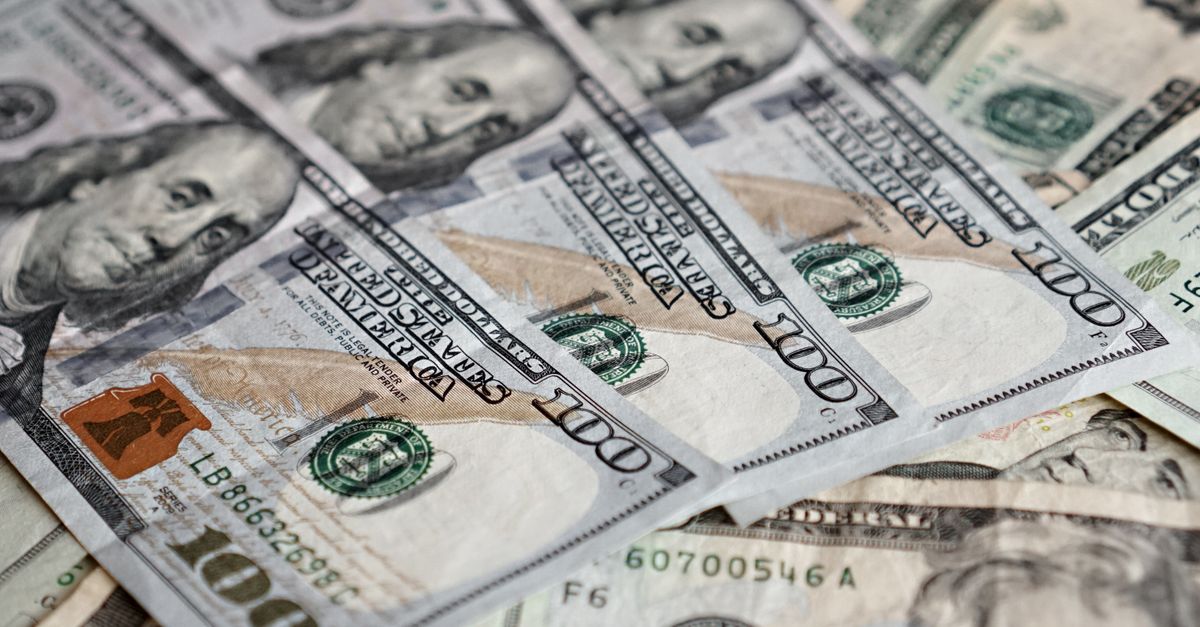
The rand loses value against the dollar when demand for dollars rises relative to demand for rand, or when investors expect weaker returns or greater risk in South Africa. That can happen because of local economic problems, a stronger US dollar, or both. The exchange rate moves in both directions, though, so a weaker rand is not a one-way trend or proof that the economy has changed overnight.
Five forces help explain the shifts: interest rates, inflation, export earnings, investor risk appetite and confidence in South Africa’s economic outlook. They interact, and no single announcement explains every move. Understanding them can help you judge what a weaker rand means for imported goods, travel, savings and investments.
Why does the rand keep losing value against the dollar?
The rand weakens against the dollar when buyers are willing to pay more rand for each dollar. The exchange rate reflects expectations as well as current conditions, so it can move before an interest-rate decision or economic report takes effect.
A stronger dollar can push the rand lower even if South Africa has not had a new economic setback. The dollar is used widely in global trade and finance, and investors often buy it when they want assets they see as safer or easier to sell. When that demand rises, currencies such as the rand can come under pressure.
The reverse can happen too. If global investors are more willing to take risk, or if demand for South African exports improves, the rand may strengthen. This is why the exchange rate can move sharply in either direction without a matching change in wages or local prices that same day.
It also matters which exchange rate you are looking at. A figure such as R19 per US dollar means one dollar costs R19; if it moves to R20, the rand has weakened against the dollar. That does not tell you by itself whether the rand has weakened against every other currency, or whether the dollar has strengthened more broadly.
How interest rates and inflation affect the rand
Interest rates affect the returns investors can earn on assets held in a currency. If investors expect better returns in the US than in South Africa, they may move money into dollar assets, adding demand for dollars. But interest-rate differences do not determine the exchange rate on their own: investors also weigh inflation, risk and expected changes in the currency.
The South African Reserve Bank sets the repo rate as part of its effort to keep inflation under control. The US Federal Reserve sets its own policy rate for the US economy. Decisions by both central banks can affect currency markets, including through expectations about what they will do next. You can check the Reserve Bank’s role and published information on the South African Reserve Bank website.
Inflation matters because it affects what money can buy over time. If prices in South Africa rise faster than prices in the US over a long period, the rand can lose purchasing power relative to the dollar. That relationship is not a day-to-day exchange-rate formula; markets also respond to interest rates, growth prospects and global events.
Higher local interest rates can make rand investments more attractive, but they also raise borrowing costs for households and businesses. A rate increase does not guarantee a stronger rand, especially if investors think inflation will remain high or see other risks. A lower rate can support economic activity, but may reduce the return available to some investors.
For a broader view of price changes, Stats SA publishes South African inflation data. That data can tell you how local prices are moving, but it cannot predict the rand’s next move. Exchange rates depend on expectations about both countries and on trading across global markets.
How exports and the economy influence the exchange rate
South Africa earns foreign currency by selling goods and services abroad, including mineral and agricultural products. When export prices or sales volumes rise, exporters may convert more foreign earnings into rand, supporting demand for the local currency. The effect depends on the value of imports, payments to overseas investors and other flows as well.
South Africa also imports fuel, machinery, medicines and components used by local businesses. If importers need more dollars while export earnings are weak, demand for foreign currency can outstrip supply. The price of oil matters because it is traded internationally in dollars, so a weaker rand can make fuel more expensive in rand terms even when the dollar price of oil has not changed.
Disruptions that limit production or exports can affect confidence and foreign-currency earnings. So can uncertainty about electricity supply, transport networks, government finances or economic policy. These issues do not translate into a fixed rand loss; markets judge how long a problem may last and how much it could affect growth, exports and public finances.
Government borrowing is another part of the picture. Investors consider whether the state can manage its debt and whether public finances leave room to respond to future shocks. Higher perceived risk can make investors demand a larger return for holding South African assets, or choose to hold fewer of them. That can put pressure on the rand.
The Treasury’s budget documents and the Reserve Bank’s economic information can help you follow these pressures. No single indicator gives a complete answer, so compare the direction of inflation, growth, export earnings and public debt rather than treating one headline as a forecast.
Why investor confidence and global events matter
The rand is often sensitive to shifts in global risk appetite because South Africa is an emerging market. If investors become more cautious, they may reduce holdings in markets they consider riskier and buy dollars instead. A sudden international shock can therefore weaken the rand even when South Africa’s own economic news has not changed.
US economic data and Federal Reserve decisions can also move the dollar. If markets expect US interest rates to stay high, dollar assets may look more appealing. That can draw money away from other currencies. If expectations change, the dollar may weaken and the rand may recover, even without a major local development.
Domestic political developments can affect expectations too, particularly when investors are uncertain about policy or the ability to carry out economic plans. But a political event does not automatically lead to a weaker rand. The market response depends on what investors expected beforehand and how they assess the likely consequences.
That helps explain why the currency may fall on news that sounds positive, or rise after a difficult announcement. Markets respond to the difference between what they expected and what happened, not simply to whether a headline sounds good or bad. Short-term moves are especially hard to predict.
What a weaker rand means for your costs and savings
A weaker rand raises the rand cost of many goods priced in dollars, including some imported products and inputs used by local manufacturers. It can also increase the cost of overseas travel, subscriptions billed in foreign currency and dollar-denominated tuition or debt. The effect may take time to reach shop prices, and businesses do not all pass on higher costs at the same pace.
Say you need to pay a US$1,000 bill. At R18 per dollar, the amount is R18,000 before bank charges; at R20 per dollar, it is R20,000. That is a R2,000 difference from the exchange rate alone. Your bank’s rate and any card or transfer fees can add to the amount, so check the total rand cost before paying.
A weaker rand can benefit some exporters and companies that earn dollars but pay many costs in rand. It can also help South African tourism businesses when foreign visitors find local prices more affordable. Those benefits vary by business: a company that imports equipment or materials may face higher costs at the same time.
If you are saving or investing, do not assume that buying dollars is a safe way to profit. The rand can strengthen after a period of weakness, and the conversion spread and fees reduce what you receive. If you have a planned dollar expense, compare the full cost of converting now with the risk of waiting. If your goal is long-term investing, consider your overall mix of assets and time horizon rather than making a decision based on one exchange-rate move.
A common mistake is to compare only the headline exchange rate and ignore charges. Banks and payment providers can use different rates and fees, so a small difference can matter on a large transaction. For a recurring payment, compare the total rand debit on the same day, not just the advertised rate.
Can you tell when the rand will recover?
No one can reliably call the rand’s next move from one economic figure or political headline. A sustained improvement is more likely when South Africa’s growth and export prospects strengthen, inflation stays under control, public finances appear manageable and global investors are willing to take risk. A stronger dollar or fresh global shock can still offset local progress.
Use a simple decision rule: if you need dollars for a known expense soon, compare provider fees and consider whether certainty is worth paying for; if you do not need dollars, avoid converting savings solely because the rand has fallen. The first choice manages a real bill, while the second is a bet on exchange rates.
For updates, check the Reserve Bank for South African monetary policy and Stats SA for inflation releases, then compare those with US rate news and the dollar’s wider direction. This is general information, not personal financial advice; a licensed financial services provider can advise on your circumstances.
Read More
Read more articles on the topics that interest you

How to Register a Company in South Africa: 7 Steps
From choosing a company name to tax checks, costs and your first compliance dates

Tax-Free Savings Account vs Retirement Annuity: Which Wins?
Compare tax relief, access, limits and a simple rand example before choosing
What the Repo Rate Means for Your Home Loan in 2026
See how rate changes affect repayments, what banks pass on and how to prepare
How to Start Investing in South Africa With Just R500
A clear first-month plan, account options and costs to check before you invest

6 Ways South African Youth Can Fight AI Unemployment
Build skills employers need, earn while learning and make AI work alongside you

The Jobs Companies Can't Fill Fast Enough in South Africa
Why employers struggle to hire developers, nurses, artisans and drivers despite high unemployment