

Market Data API for Stocks, ETFs & Forex
Access real-time, historical, and end-of-day financial data.
Is Property Still a Good Investment in South Africa? 2026
A clear way to compare rental income, bond costs and listed alternatives
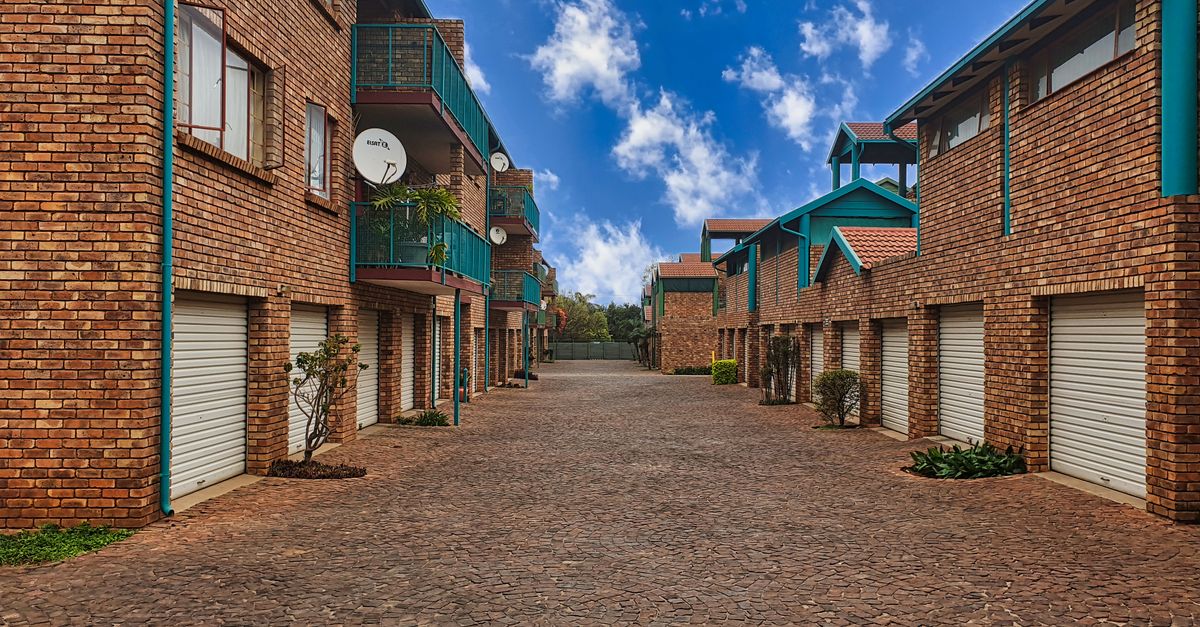
Property can still be a good investment in South Africa in 2026, but a rental home is not automatically profitable. The answer depends on the price, rent, bond, running costs and how long you can hold it. For many buyers, the monthly cash flow is tight: a property can gain value over time and still require you to top it up each month.
Buy-to-let works best when you can afford vacancies and repairs without relying on a quick resale. Below, a worked example shows how rent can fall short of bond payments, which costs are easy to miss, and when a JSE-listed property fund or diversified investment may fit better.
Is property still a good investment in South Africa?
It can be, if you buy at a price that leaves room for expenses and can hold the property through weak rental periods. The case is stronger when you have a long time horizon, manageable debt and a property that tenants want at a rent supported by local demand.
There is no single South African property return that applies to every home. A flat in a well-connected part of Johannesburg, a house in Gqeberha and a holiday property on the coast face different tenant demand, maintenance needs and resale prospects. Even within one suburb, the purchase price and condition can change the numbers.
Property gives you control over a physical asset, and rent can help pay its costs. But it is concentrated: one property can tie up a large share of your savings in one area and one market. Selling can take time, and costs such as transfer duty, conveyancing, repairs and estate agency fees can eat into your proceeds.
The choice also depends on what you mean by “investment”. A home you live in can provide housing and long-term ownership, but it does not pay you rent while you live there. A rental property is judged by income and costs, while a listed property fund or a broad share-market fund is easier to buy and sell but can fall in value without warning.
What does a South African rental property earn after costs?
Use net cash flow, not the advertised rent, to judge a rental. Start with rent, then subtract bond payments, rates, levies, insurance, repairs, management costs and the cost of empty months. The rental yield before expenses is only a first check, not your expected profit.
Say you buy a flat for R2 million, put down R400,000 and borrow R1.6 million. Assume it rents for R15,000 a month. That is R180,000 a year, or a gross rental yield of 9% of the purchase price before costs.
For illustration, assume rates, levies, insurance, routine maintenance and letting costs together average R4,000 a month. That leaves R11,000 before the bond, tax and larger repairs. If the bond payment were R16,500 a month under an assumed loan term and interest rate, you would need to add R5,500 a month, or R66,000 a year, before tax and unexpected costs.
Those figures are an illustration, not a quote or a forecast. Your bond payment depends on the lender’s offer, interest rate, loan term and deposit; ask banks such as Absa, FNB, Nedbank or Standard Bank for current terms. At the time of writing, confirm changing rates and lending conditions with the bank and the South African Reserve Bank.
This example also leaves out purchase costs and major work. If the flat needs a new geyser or sits empty for a month, your cash requirement rises. A deposit is not the only money you need upfront: allow separately for transfer and bond registration costs, inspections, moving or initial repairs, and a cash reserve.
Compare the annual rent with the property’s full purchase cost, not just the deposit. Then test the result with a vacancy and a repair bill. If the investment only works when every month is rented and nothing breaks, it is too fragile for most buyers.
Which costs and risks do landlords often miss?
The biggest overlooked cost is the gap between “tenant pays rent” and “owner receives income”. Rent can stop when a tenant leaves, while the bond, rates and levies continue. A letting agent can reduce the work of finding tenants and collecting rent, but the service has a cost and does not guarantee occupancy or payment.
Repairs are unpredictable. A small monthly allowance may cover routine upkeep, but it will not necessarily cover a major plumbing problem, damp, roof damage or a special levy in a sectional-title building. Read the body corporate’s rules and available financial information before buying a flat, and ask what maintenance is planned.
Tax affects the net return too. Rental income must be dealt with under SARS rules, and allowable expenses depend on the circumstances and records. Keep invoices and statements, and check the current guidance on the SARS website for rental income tax. Don’t assume every expense or improvement can be deducted in the same way.
Capital growth is uncertain, and a higher sale price does not guarantee a good return after inflation and costs. If you sell, estate agency fees and other transaction expenses reduce what you keep. Property is also hard to sell quickly at a price you choose, so money you may need soon should not depend on a sale going smoothly.
Before signing, get an independent inspection where appropriate and check the title, zoning, levy position and any restrictions that affect letting. For a sectional-title unit, ask about arrears and planned work. A low asking price can be a warning if the building has deferred repairs or the area has weak tenant demand.
How does property compare with a JSE fund?
A listed property fund gives you exposure to commercial or residential property without buying and managing a building yourself. You can buy or sell units through a broker, but the price can move sharply with market expectations, borrowing costs and the fund’s financial position. A fund does not remove investment risk; it changes the type of risk and makes it easier to spread your money across holdings.
A broad exchange-traded fund (ETF) can spread an investment across many companies or markets, depending on its mandate. It does not provide a home or direct control over a building, and its value can fall. Check the fund’s holdings, fees and tax treatment before investing. The JSE’s own site explains its listed market and products, but fund documents and provider information are where you should confirm specific terms.
Direct property needs substantial upfront capital and ongoing attention. A listed fund generally has a lower entry point and is easier to sell, though you accept daily price movements and have no say in a particular building. A home may also suit someone who values stable housing, but that benefit should not be mistaken for rental income.
If you want a rental asset and can cover several months of expenses without borrowing more, compare properties using conservative rent and cost assumptions. If you need access to your money, want to spread risk or cannot manage repairs, consider listed funds instead. Neither route promises a return, and you can hold both if your savings and risk tolerance allow it.
How can you decide before making an offer?
Ask an agent for evidence of achieved rents for comparable homes, not only the asking rents in adverts. Check how long similar properties sit vacant and what tenants pay for in the area. A property close to transport, employment or established services may attract interest, but location alone cannot rescue an inflated purchase price.
Build a monthly budget with the expected rent, bond repayment, rates, levies, insurance, management costs and a repair allowance. Run a second version with a vacancy and a major repair. If you cannot cover the weaker case from savings, reduce the purchase price, increase your deposit or walk away.
Also compare the return with what your deposit could do elsewhere. Include upfront buying costs and the time you will spend dealing with tenants and maintenance. A rental property can make sense over a long holding period, but it is not a passive substitute for a savings account.
This is general information, not personal financial or tax advice; a licensed financial services provider, tax practitioner or relevant regulator can advise on your circumstances. Before making an offer, ask your bank for a written bond estimate and calculate the rental cash flow with one empty month and a repair bill included.
Read More
Read more articles on the topics that interest you

Best Small Business Ideas in South Africa for 2027: 8 Picks
Eight low-overhead options, with startup budgets, trade-offs and a first-month test

How to Start a Business in South Africa With R5,000
A low-cost plan for testing demand, finding customers and handling the basics

How Much Do You Need to Retire in South Africa? 3 Rules
Estimate your target from monthly spending, then adjust for housing, healthcare and investment risk

What Is Inflation? How It Affects Your Salary in South Africa
See what rising prices do to your buying power, plus how to assess a raise

Best AI Website Builders for Beginners in 2026: 5 Picks
Compare easy site creation, online selling, costs and the trade-offs before you choose

Why the Rand Loses Value Against the Dollar: 5 Causes
See how interest rates, exports and investor confidence shape the exchange rate and your costs