
Market Data API for Stocks, ETFs & Forex
Access real-time, historical, and end-of-day financial data.
How to Build an Emergency Fund on a South African Salary
A step-by-step plan with rand targets, realistic timelines and safe places to keep your cash

To build an emergency fund on a South African salary, start with R1,000, then save towards one month of essential expenses before aiming for three to six months. Keep the money separate from everyday spending and somewhere you can access quickly. The right monthly amount is one you can keep paying, even when groceries, transport or school costs rise.
Your target depends on your household, job security and support network, so a single fixed amount won’t suit everyone. The examples below show how to set a personal target, choose an account and adjust your plan when cash is tight, without relying on credit for every surprise.
How much should your emergency fund hold?
A useful first target is one month of essential expenses; a longer-term target is three to six months of those expenses. Count what keeps your household going, not every item in your budget. Include rent or bond payments, basic food, electricity, transport to work, insurance, medical costs and minimum debt payments.
Say your take-home pay is R30,000 a month and your essential costs add up to R21,000. One month’s starter fund is R21,000. Three months is R63,000, while six months is R126,000. Those are savings targets, not recommended amounts to borrow or invest.
Choose the lower end of the range if you have a stable job, another household income or dependable family support. Aim closer to six months if you’re self-employed, your income changes from month to month, you’re the sole earner, or you have people who depend on you. If your household has unusual costs, build those into the monthly essentials figure.
Don’t let a large target stop you from starting. Keep R1,000 as your first milestone, then work towards one month of essential costs. That first amount can cover a tyre repair, a prescription or a modest appliance repair without forcing you to use a credit card.
Keep an emergency fund for costs that are urgent, necessary and hard to predict: a car repair needed for your commute, a sudden medical expense or a loss of income. Planned costs such as annual school expenses, December travel and car licence renewals aren’t emergencies. Save for them separately, so they don’t quietly drain the fund.
How to build an emergency fund on a South African salary
Build the fund in stages: work out your essentials, set a starter target, automate a regular deposit and increase it when your budget allows. A small transfer that happens every payday is more useful than a big promise you keep postponing.
Calculate your monthly essentials. Check bank statements for the last two or three months and total the costs you’d still need to pay if you cut back. Use a normal month rather than the cheapest month, and leave out spending you can pause, such as streaming services or takeaways.
Choose one target and a payday amount. If your first target is R1,000 and you can put aside R250 each week, you’ll reach it in four weeks. Once you have that buffer, work towards one month of essentials, then set a longer target based on your circumstances.
Move the money out of your spending account. Set an automatic transfer for the day after payday to a separate savings account. If payday varies, set a smaller transfer you can meet in a low-income month, then top it up when more money comes in.
Review the plan when your costs change. Recalculate after a rent increase, a new child, a job change or a big change to your commute. If your monthly essentials rise from R21,000 to R23,000, your three-month target rises from R63,000 to R69,000.
For a worked monthly example, say you earn R30,000 after deductions, spend R21,000 on essentials and have R9,000 left for other costs and goals. Saving R1,500 a month would take 14 months to reach R21,000, with R0 left over after 14 deposits. It would take 42 months to reach R63,000 if you kept saving the same amount and didn’t withdraw any money. That timeline is an illustration, not a reason to miss rent or minimum debt payments.
If R1,500 is too much, start with R300 a month: that builds R3,600 in a year before interest. Increase the transfer when a debt is paid off, your income rises, or you cut a recurring expense. If money is short, even R50 a week builds R2,600 over a year before interest. Consistency matters more than an impressive first deposit.
Where should you keep emergency savings?
Keep emergency savings in a low-risk account that lets you reach the money without a long wait or a steep penalty. For most people, a separate bank savings account is a sensible place for the first month’s expenses because access and predictability matter more than chasing a higher return.
South African banks such as Capitec, FNB, Absa, Nedbank and Standard Bank offer savings products, but account names, access rules, fees and interest rates change. At the time of writing, check each bank’s own product information for withdrawal limits, minimum balances, notice periods and charges. Compare what you’ll actually earn after fees, not the headline rate on its own.
A notice deposit can suit money you don’t expect to need straight away, but a notice period can make it a poor home for the whole fund. A money market unit trust is another option to compare for savings beyond your immediate buffer, but its value and access arrangements differ from a bank deposit. It is an investment, not a guaranteed bank balance; check the fund’s risk, withdrawal timing and fees before putting emergency cash there.
A practical split is to keep your first month of expenses in an easy-access savings account and consider a separate account for money above that, if the extra account offers suitable access and costs. Don’t spread a modest fund across several products just to collect small rate differences. More accounts can mean more rules to track, and a penalty or delayed withdrawal defeats the purpose of emergency cash.
Also check whether the account charges a monthly fee or requires a minimum balance. A fee that looks small can eat into a starter fund, especially when the balance is low. Interest rates change, so compare current terms on providers’ own sites before moving your money.
What should you do when saving feels impossible?
If your budget has no room for savings, first protect essentials and minimum debt payments; don’t skip rent, insurance or required repayments to hit an arbitrary target. Review recurring spending, then look for one change you can sustain, such as reducing a mobile package or cancelling a service you rarely use.
Use irregular money carefully. A tax refund, work bonus, overtime payment or cash from selling unused items can give the fund a useful lift, but don’t count on these payments for your regular plan. If you receive a once-off R3,000 and your fund is at R1,000, putting all or part of it towards the next target can shorten the timeline without changing your monthly budget.
If you have expensive short-term debt, divide your spare cash between a small starter fund and debt repayment. A R1,000 buffer can stop a minor surprise from going straight onto a credit card, while extra repayments reduce the interest you owe. Once high-cost debt is cleared, redirect the old repayment amount to savings instead of treating it as new spending money.
Irregular earners can base their automatic saving on a quieter month and add to the fund after stronger months. For example, a freelancer who can save R300 in a lean month could set that as the baseline, then transfer an agreed share of income above essential costs when client payments arrive. Keep tax money and business operating cash separate from personal emergency savings.
When should you use the fund, and how should you refill it?
Use the fund when a cost is urgent, necessary and unexpected, and paying it from your normal budget would put essential bills at risk. A lost job, urgent home repair or unexpected medical cost can qualify. A planned holiday or a sale on a new phone doesn’t, even if the timing feels tempting.
Before withdrawing, check the actual cost and ask whether another account or insurance policy is meant to cover it. An excess can still be a real emergency, but compare it with the cost of fixing the problem yourself. Don’t take money out for a predictable expense that belongs in a separate sinking fund.
After a withdrawal, pause any optional savings goals and direct spare money back to the emergency fund until you restore your chosen minimum. You don’t need to replace the whole amount in one month. If you used R4,000 and can spare R500 a month, a steady plan takes eight months, before interest and any further withdrawals.
A common mistake is treating an emergency fund as an excuse to leave every rand in cash forever. Keep enough accessible for disruptions, but once you reach your target, use your normal budget for longer-term goals rather than growing the fund without a reason. Revisit the amount if your income, dependants or essential costs change.
For guidance on your own savings, debt or tax position, speak to a licensed financial services provider or tax practitioner; the FSCA can also provide information about financial services regulation. If you’re setting a first target today, total your essential costs from recent bank statements, open a separate low-fee savings account and schedule the largest payday transfer your budget can sustain.
Read More
Read more articles on the topics that interest you
Solar Cost for Small Businesses in South Africa: Ranges
See what different system sizes include, where extra costs hide, and how to compare quotes
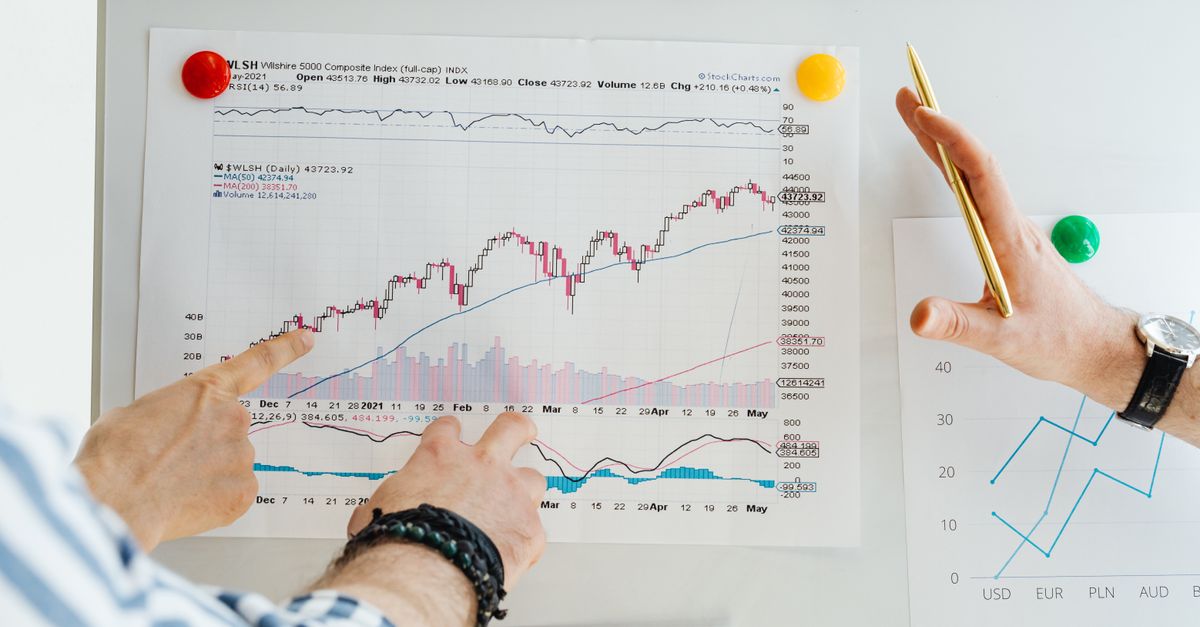
7 Ways to Invest R10k in South Africa: 2026 Options
Compare risk, access and costs before choosing where your first R10,000 should go

How to Ask for a Raise in South Africa: What to Say
Build a case with evidence, choose your timing and practise a script before the meeting

How to Buy Bitcoin in South Africa Legally in 5 Steps
Choose a provider, pay in rand, check the costs and keep tax records

How to Price Freelance Services in South Africa: 5 Steps
Set an hourly floor, account for quiet months and quote projects without guessing
How to Get Funding for a Small Business in South Africa
Compare loans, grants and investors, then prepare an application that fits your business