
Practical Ways to Avoid Common Budgeting Mistakes
Actionable strategies to fix budgeting pitfalls and protect your financial health
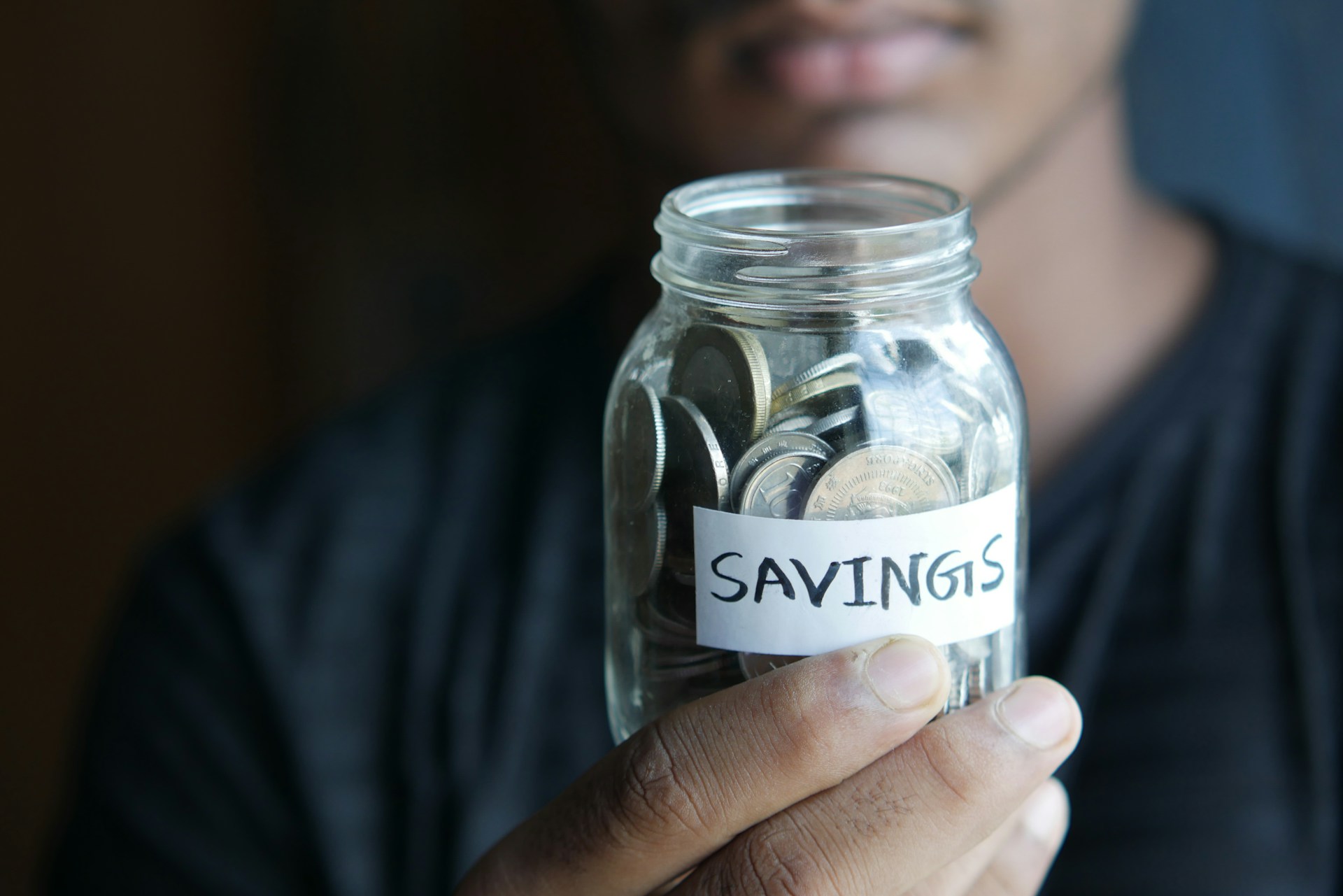
Are you tired of making a budget that falls apart after a few weeks? Many people start with good intentions, then find the plan ignored when real life interferes. Budgeting mistakes cost time, money, and confidence, but they are fixable with targeted changes you can apply today.
Why most budgets fail and how to diagnose yours
Before changing your budget, understand the underlying reasons it fails. Is the problem emotion, structure, or data? Pinpointing the root makes corrections practical instead of piecemeal.
Wishful assumptions: Estimating lower spending than reality leads to persistent shortfalls.
Poor tracking: Without accurate data you make decisions on memory and hope.
Rigidity: Budgets that don’t allow small rewards or buffers are abandoned fast.
Irregular income: Freelancers and commission earners need a different framework than salaried workers.
Diagnose your budget by reviewing three months of bank and credit card statements. Reconcile totals to identify patterns. That evidence will highlight the biggest leaks.
Stop ignoring actual spending: track with real data
One of the most common mistakes is relying on memory or idealized categories. Real spending rarely fits neat boxes.
Export transaction history from your bank or use a budgeting app to categorize expenses for at least 90 days.
Create realistic categories that match how you spend: transportation, food delivery, subscriptions, healthcare, and pet care.
Calculate monthly averages for variable categories to build accurate buffers.
Use automation to reduce friction. Many banks and apps let you tag recurring payments, making future tracking easier. The Consumer Financial Protection Bureau budgeting resources explain practical tools and worksheets to get started.
Build buffers and sinking funds for irregular expenses
Unexpected or irregular costs wreck budgets when they’re treated as surprises. Instead of dreading them, plan for them.
Sinking funds: Create separate buckets for predictable but irregular expenses like car maintenance, annual insurance, and holidays.
Monthly allocation: Divide the anticipated annual cost by 12 and set that amount aside each month.
Use separate accounts: A high-yield savings account or subaccounts prevents accidental spending.
For example, if the yearly car maintenance budget is 600, allocate 50 per month to a sinking fund. When repairs occur, the money is already there.
Don’t set targets you can’t sustain
Overly restrictive budgets are unsustainable. A plan that demands extreme restraint will fail when life requires flexibility.
Include a flexible spending line for small indulgences to maintain adherence.
Adjust savings goals instead of eliminating them when income changes.
Plan quarterly reviews to adapt the budget to seasonal changes, promotions, or new obligations.
Behavioral research shows that realistic goals and small wins improve long-term adherence. If you find yourself missing a category repeatedly, lower the target and investigate the cause.
Automate saving and bill payments to reduce human error
Manual transfers and late payments introduce slip-ups. Automation is a low-effort, high-impact correction.
Automate transfers to savings on payday to make saving a default action.
Set recurring payments for utilities and loan payments to avoid late fees and penalties.
Use automatic increases each year or when you get a raise to grow savings without conscious effort.
Automation reduces decision fatigue and helps you avoid the common mistake of treating savings like leftover change. For more on automation strategies, consult the NerdWallet automation tips.
Plan for income variability if you’re self-employed or freelance
Irregular income requires a different framework than a fixed salary. Treat variability as a design constraint.
Base budget: Build a budget around your lowest reliable monthly income.
Buffer fund: Maintain 3-6 months of essential expenses in an emergency account.
Surplus split: When revenue exceeds the baseline, divide the surplus into tax savings, business reinvestment, and personal savings.
Freelancers benefit from a separate business account and a simple rule: cover taxes first, operating costs second, and personal savings third. The Investopedia primer on irregular income offers useful frameworks and calculations.
Be rigorous about subscriptions and recurring charges
Subscription creep silently drains budgets. People sign up for services and forget them, creating an ongoing leak.
List every recurring charge and its renewal date.
Evaluate each subscription annually using a simple rubric: frequency of use, cost per use, and value returned.
Cancel or downgrade providers that don’t pass the value test.
Use a calendar reminder to review subscriptions quarterly. That small habit prevents slow erosion of disposable income.
Account for inflation and changing prices
Budgets built on static prices become outdated. Food, housing, and fuel can change meaningfully year-to-year.
Include a 2-4% buffer for inflation in non-discretionary spending lines if you live in an area with rising costs.
Revisit grocery and transportation categories every six months and adjust allocations.
Track price changes using authoritative data like the Bureau of Labor Statistics consumer price index for context.
Anticipating price movement keeps your budget realistic and prevents surprise shortfalls.
Use the right tools, but avoid overcomplicating things
Tools can help, but complexity kills use. Pick a system you will maintain.
Simple spreadsheet: For granular control, a spreadsheet can be tailored to your needs.
Budgeting apps: Apps that connect to accounts automate categorization and alerts.
Paper-first method: Envelopes or a written tracker can be effective for people who prefer tactile systems.
Match the tool to your personality. If you avoid spreadsheets, an app with automatic categorization is likely better. The Consumer Financial Protection Bureau lists tools and worksheets for different preferences.
Case studies: realistic examples that show what works
Seeing how changes play out helps you adopt similar tactics faster. Here are two short, realistic scenarios and the corrections applied.
Anna, salaried worker with subscription creep
Problem: Monthly streaming and software subscriptions ballooned to 120 per month.
Action: Anna audited subscriptions, consolidated services, and saved 60 monthly. She redirected savings to a sinking fund for annual insurance.
Marcus, freelance developer with irregular income
Problem: Marcus experienced feast-or-famine months and missed quarterly tax payments.
Action: He created a baseline budget based on his lowest three-month average, built a tax reserve equal to 25% of income into his cash flow plan, and automated transfers to a tax savings account.
Both cases apply just a few targeted fixes and achieve durable improvements. Small structural changes compound over time.
Practical templates and quick calculations
Use these short templates to make changes fast. They reduce guesswork and speed decision-making.
Sinking fund rule: Annual cost ÷ 12 = monthly contribution.
Emergency target: 3 to 6 months of essential expenses saved in an accessible account.
Surplus split: 50% debt/savings, 30% reinvestment (for business), 20% discretionary as a simple allocation starting point.
# Example monthly emergency calculation
Essential monthly expenses = 2,500
Emergency target (3 months) = 7,500
Monthly contribution to reach target in 12 months = 625
Behavioral techniques to stay on track
Budgeting is behavioral first and numerical second. Strengthen habits to close the gap between intention and action.
Rule of small wins: Make the first change tiny and visible to build momentum.
Accountability anchor: Schedule a monthly review on the calendar and treat it like a meeting.
Visual progress: Use charts or a thermometer to show progress toward savings goals.
According to the Federal Reserve report on household finances, many Americans struggle to cover unexpected expenses, highlighting the importance of emergency savings.
Common pitfalls to avoid when adjusting your budget
Even with the right tools, several common errors can sabotage improvements. Watch for these mistakes and correct them quickly.
Fixing numbers without changing behavior: Lowering a category doesn’t help if spending triggers remain unchanged.
Ignoring fees and interest: Overlooking bank fees or credit card interest underestimates real costs.
Letting savings be the last priority: Treat savings transfers as a bill to ensure consistency.
Addressing root behaviors—triggers, timing, and environment—creates durable change beyond line-item cuts.
Where to go next: a three-step implementation plan
Turn knowledge into action with a short, focused plan you can complete this week.
Collect data: Export or write down three months of transactions and calculate actual averages.
Set rules: Create sinking funds, automate savings, and schedule a monthly review.
Monitor and iterate: Revisit the budget after 30 days and adjust categories that consistently miss targets.
Practical tools and reading can accelerate progress. For actionable tips on emergency savings and account options, see the FDIC consumer resources. For credit and debt strategies, review guidance from the Consumer Financial Protection Bureau.
Summary and next steps
Common budgeting mistakes—unrealistic targets, poor tracking, no buffers, and failing to automate—are fixable with focused changes. Start by collecting real spending data, create sinking funds for irregular costs, automate savings and bills, and choose tools that match your style.
Take the first step this week by opening a high-yield savings account for emergency funds, automating a small recurring transfer on payday, and auditing subscriptions for immediate savings. These actions reduce stress and build momentum toward financial stability.
Now that you understand these strategies, you’re ready to start building better budgeting habits and protecting your financial future. Start implementing these strategies today and review progress monthly to keep the plan aligned with real life.