
Smart Tax-Efficient Saving Strategies to Keep More of Your Money
Actionable techniques to lower taxes and boost your after-tax savings growth
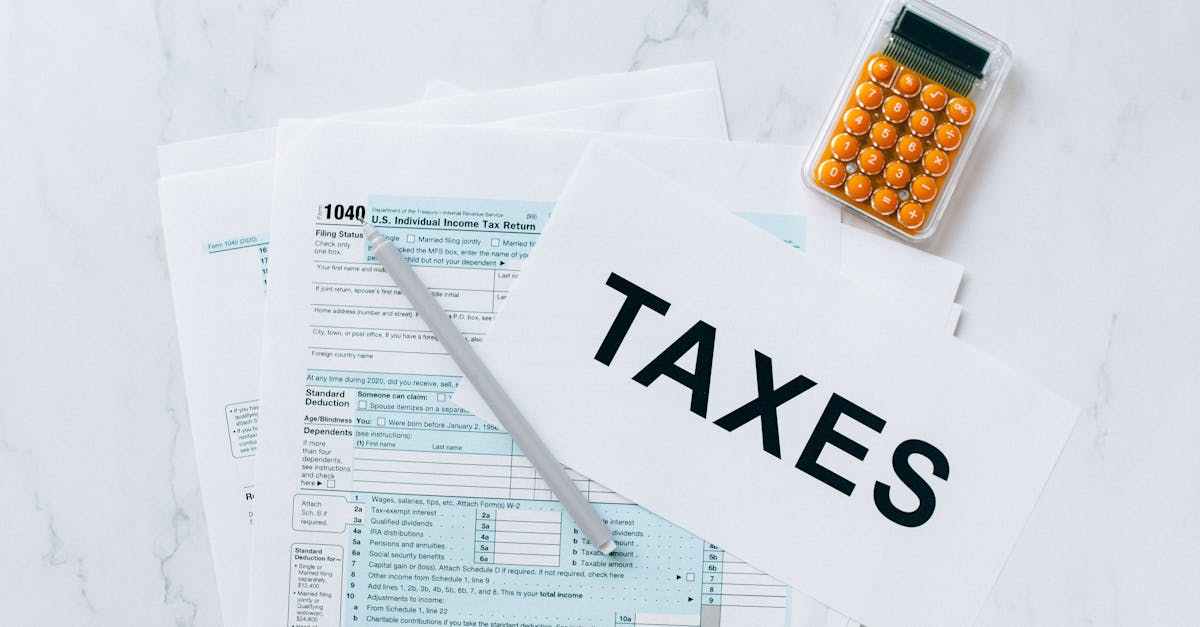
Are taxes quietly eroding a big slice of your investment gains? Many savers focus on returns but overlook tax drag, the invisible force that reduces after-tax wealth over decades.
This article shows concrete, actionable strategies to lower that drag and keep more of what you earn.
Why tax-efficient saving matters now
Even modest differences in after-tax returns compound into large gaps over time. A 0.5% reduction in annual tax drag can translate to tens of thousands of dollars over 20–30 years for many investors.
Tax-efficient saving is not about avoiding sensible risk or chasing tax gimmicks. It is about using the tax rules to your advantage so that more of your money stays invested and compounds.
Taxes affect both contributions and withdrawals, so account type matters.
Investment location — where you hold an asset — can change your tax bill dramatically.
Small, repeatable choices often beat occasional tax hacks.
Placing tax-inefficient investments in tax-advantaged accounts and tax-efficient investments in taxable accounts improves after-tax results over time.
Maximize tax-advantaged retirement accounts
Start with the low-hanging fruit: employer retirement plans and IRAs. These accounts offer direct tax benefits that reduce taxable income or shelter future growth from tax.
401(k) and 403(b): Contributions via payroll reduce taxable income today for traditional plans, while Roth options let you pay taxes now for tax-free withdrawals later. Check plan details and employer match rules on the plan portal.
Traditional IRA and Roth IRA: Use IRAs to complement employer plans. Roth IRAs are especially powerful if you expect higher tax rates in retirement.
Catch-up contributions: If you are over age 50, catch-up provisions increase contribution limits and accelerate tax-advantaged savings.
For specifics on contribution limits, plan rules, and rollover options, review the IRS retirement plans overview.
Use HSAs as a triple-tax-advantaged tool
Health savings accounts (HSA) are rare in offering triple-tax benefits: tax-deductible contributions, tax-free growth, and tax-free withdrawals for qualified medical expenses.
Contribute the annual maximum if you are eligible; unused funds roll over and can serve as a health-cost buffer or supplemental retirement vehicle.
Invest HSA cash in low-cost funds once you have an emergency cushion to capture long-term tax-free growth.
Keep receipts for qualified medical expenses—you can reimburse yourself tax-free years later.
For detailed rules and eligibility, see the IRS publication on HSAs and provide context with account providers such as Fidelity's HSA overview.
Asset location: put the right investments in the right accounts
Asset location is different from asset allocation. It refers to which account types hold which asset classes to minimize taxes across your whole portfolio.
General placement rules to consider:
Hold tax-inefficient assets (high-yield bonds, REITs, taxable bond funds) inside tax-deferred or tax-exempt accounts.
Hold tax-efficient assets (broad-market stock index funds, ETFs, tax-managed funds) in taxable brokerage accounts to exploit low capital gains and qualified dividend tax treatment.
Place municipal bonds in taxable accounts when tax-exempt income is useful; otherwise, taxable bond exposure can sit in tax-advantaged accounts.
Vanguard and other investment firms have research and tools on asset location that explain the math and typical placements; read more in Vanguard's discussion of asset location strategies.
Tax-loss harvesting and rebalancing without extra taxes
Tax-loss harvesting is the practice of selling investments with paper losses to offset capital gains, then replacing exposure to stay invested. It reduces current tax bills and preserves portfolio risk exposure.
Identify positions with unrealized losses that you can sell without changing your target allocation.
Replace a sold security with a similar-but-not-identical ETF or fund to avoid the wash sale rule.
Carry forward unused losses to offset future gains or up to
$3,000of ordinary income per year.
Example calculation:
Sell loss position: loss = $5,000
Realized gains this year: $3,000
Net capital loss carryforward: $2,000 to offset future gains or reduce up to $3,000 ordinary income
Learn the mechanics and tax rules in Investopedia's primer on tax-loss harvesting. Automated platforms and many brokerages offer harvesting features, but manual harvesting works too when done systematically.
Choose tax-efficient vehicles: ETFs, tax-managed funds, and municipal bonds
Fund structure and turnover profile influence tax efficiency. Index ETFs typically distribute fewer taxable gains than active mutual funds because of in-kind creation/redemption mechanics.
ETFs often have lower realized capital gains compared with actively managed mutual funds.
Tax-managed funds explicitly aim to minimize distributions; they can be useful inside taxable accounts for long-term investors.
Municipal bonds can provide federally tax-exempt income and are attractive in higher tax brackets; evaluate state tax considerations as well.
To understand municipal bond basics and tax treatment, see Investopedia's municipal bond overview at what municipal bonds are and how they are taxed.
Timing income, deductions, and Roth conversions strategically
Timing matters when your taxable income sits near important brackets or phaseouts. Strategic timing can reduce marginal tax rates and preserve tax credits.
Defer or accelerate income when practical. For example, postpone a bonus to a year with lower expected income.
Bunch deductions in one year to itemize when it surpasses the standard deduction threshold.
Consider partial Roth conversions in lower-income years to lock in tax-free growth while controlling the amount converted to avoid pushing you into a higher bracket.
Roth conversions can be powerful, but they come with current tax cost. Model scenarios conservatively and consider estate plans and future tax-rate expectations before converting.
Practical examples and common scenarios
Seeing how these principles fit different situations makes them easier to apply. Below are realistic scenarios that illustrate trade-offs.
Young professional with growth focus: Prioritize Roth contributions if you expect higher future income, invest in low-cost stock ETFs in taxable accounts, and use an HSA for healthcare savings.
High-earner nearing retirement: Max out tax-deferred accounts, place high-yield and taxable bond exposure inside 401(k) or traditional IRA, and explore municipal bonds in taxable space if tax-exempt income is needed.
Near-retiree seeking tax flexibility: Build a mix of taxable, tax-deferred, and Roth assets to supply flexibility in retirement distributions and tax management.
Checklist: concrete steps to implement this week
Small, specific actions compound over time. Use this checklist to move from planning to doing.
Confirm you are contributing enough to capture any employer match in your
401(k).Open or fund an HSA if eligible and shift a portion into investable options.
Review each holding and assign it to taxable, tax-deferred, or tax-free accounts according to the asset location rules above.
Set up automatic rebalancing and, where available, enable tax-loss harvesting in your brokerage account.
Plan one year of potential Roth conversions if your taxable income is unusually low.
Common pitfalls and how to avoid them
Even well-intended strategies can backfire if executed poorly. Watch for these traps.
Ignoring wash-sale rules: Replacing a sold fund with an identical fund within 30 days creates a disallowed loss.
Overconcentration in tax-deferred savings: Having all assets in tax-deferred accounts limits tax flexibility in retirement.
High-fee alternatives: Tax efficiency is valuable, but fees reduce net returns — prioritize low-cost funds.
Summary and next steps
Tax-efficient saving is about structured choices: which accounts to use, where to hold each asset, and how to time taxable events. Over time, these choices add up to materially higher after-tax wealth.
Maximize tax-advantaged accounts like employer plans, IRAs, and HSAs.
Use asset location to put tax-inefficient assets in sheltered accounts and tax-efficient ones in taxable accounts.
Employ tax-loss harvesting and favor low-turnover ETFs and tax-managed funds in taxable accounts.
Plan income timing and Roth conversions around expected tax brackets and life events.
Take the first step this week by reviewing your account mix and automating a contribution increase or HSA investment election. Small, consistent moves toward tax efficiency compound into meaningful after-tax gains over time.
Now that you understand these strategies, you're ready to start optimizing your savings to reduce tax drag and grow after-tax wealth. Start implementing these strategies today and build a more tax-smart financial future.