
Investing for Beginners: Low-Risk Options That Work Over Time
Building steady returns with simple choices
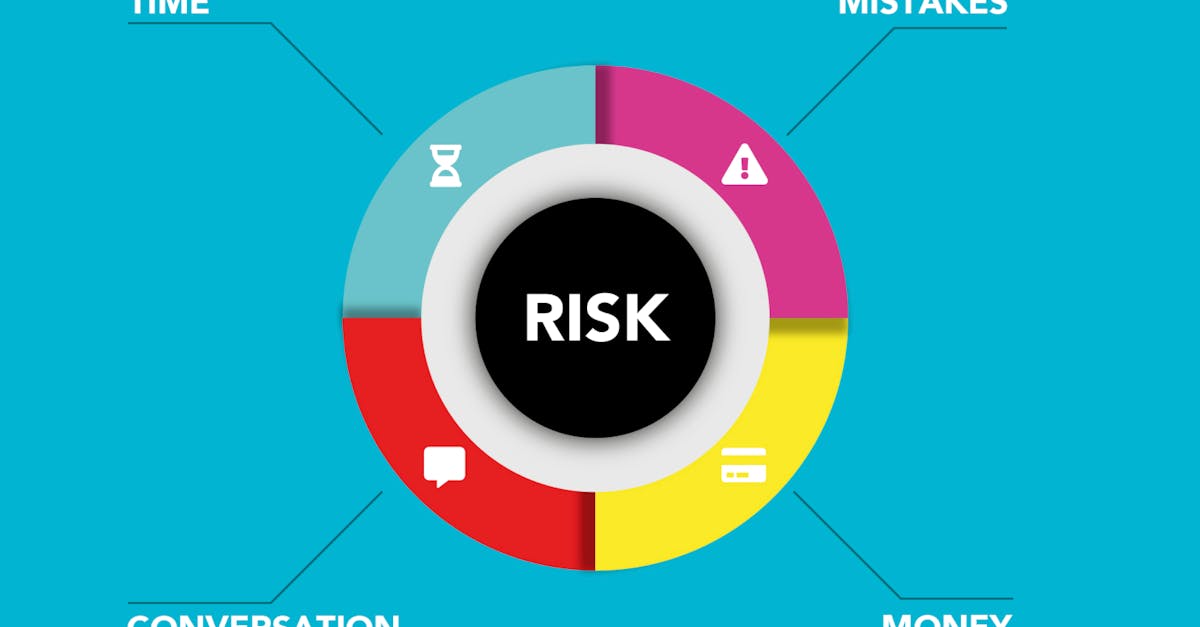
Low-risk investing focuses on preserving capital while earning modest returns. This approach helps steady your finances and reduces the chance that short-term market swings derail a long-term plan.
For beginners, low-risk options are a way to learn about investing without taking outsized risks. They fit goals like emergency funds, near-term purchases, and the conservative portion of a retirement portfolio.
Savings accounts and high-yield alternatives
Savings accounts and online high-yield savings are the simplest places to keep cash you may need soon. They offer liquidity and ease of access while earning interest that generally keeps pace with low inflation.
Make sure the bank is FDIC insured so deposits are protected up to standard limits. The FDIC explains coverage and limits for deposit accounts.
Certificates of deposit (CDs) for predictable returns
CDs lock money for a fixed term in exchange for a known interest rate. Short-term CDs (three to twelve months) preserve flexibility, while longer terms can edge toward higher rates.
CDs are appropriate when you can commit funds for the term without needing them for emergencies. They are simple, predictable, and often insured at the same FDIC limits as savings accounts.
Short-term government bonds and T-bills
Short-term U.S. Treasury bills and notes are low credit-risk instruments backed by the federal government. They tend to be less volatile than stocks and fit conservative allocations.
Investors can buy Treasuries directly or through funds, depending on whether they prefer single holdings or pooled exposure. Treasuries provide reliable principal and clear interest schedules.
Inflation-protected options: Series I savings bonds
Series I savings bonds offer interest that adjusts with inflation, protecting purchasing power over time. They must be held at least 12 months and carry a small early-withdrawal penalty if redeemed before five years.
You can buy I bonds directly from the U.S. Treasury, which explains how the rate is set and the annual purchase limits. They are useful when you want inflation protection without stock-market risk.
Short-term bond funds and laddering
Short-term bond funds and CD ladders reduce interest-rate and reinvestment risk by staggering maturities. A ladder gives you regular access to principal while smoothing returns over time.
Bond funds trade like stocks and carry market value risk, so they are better for investors who can tolerate modest price movement. Laddered CDs avoid market price swings but lock funds on a schedule.
Low-cost index funds for broad exposure
Index funds track a market benchmark and offer broad diversification at low cost. Over long periods, broad-market index funds have been an effective way to capture market returns with minimal fees.
Look for funds with low expense ratios and a clear tracking objective. Fund providers such as Vanguard detail how index funds work and why costs matter for long-term results.
Asset allocation for beginners
Asset allocation is the primary decision that shapes risk and return. A simple split—cash for emergencies, bonds for stability, and equities for growth—keeps the plan understandable and manageable.
Adjust the mix to match your timeline and comfort with ups and downs. Rebalance periodically to keep your chosen allocation in place without trying to time the market.
Practical steps to start
Begin with an emergency fund, then choose accounts that fit each goal: liquid savings for short-term needs, CDs or Treasuries for medium-term, and index funds for long-term growth. Keep fees low and favor simple, repeatable habits.
Open accounts at reputable institutions, confirm FDIC insurance where applicable, and buy government bonds through official channels if you choose I bonds. Small, consistent contributions compound meaningfully over decades.
What to expect over time
Low-risk investments usually deliver lower returns than stocks but provide steadier behavior and clearer expectations. They reduce the chance of deep losses and help preserve capital for defined goals.
Be realistic: compounding works best with patience. Avoid chasing the highest short-term yield; instead, align choices with your timeline and needs.
Closing principles
Focus on clarity, costs, and consistency. Low-risk options are tools to manage uncertainty, not shortcuts to high returns.
Choose a few simple vehicles that match goals, review them annually, and keep disciplined saving and investing habits. Over time, modest returns plus steady contributions build reliable progress.