
AI Driven Learning Accessibility in the Digital Age
Unlock inclusive learning with intelligent design, practical tools, and scalable strategies
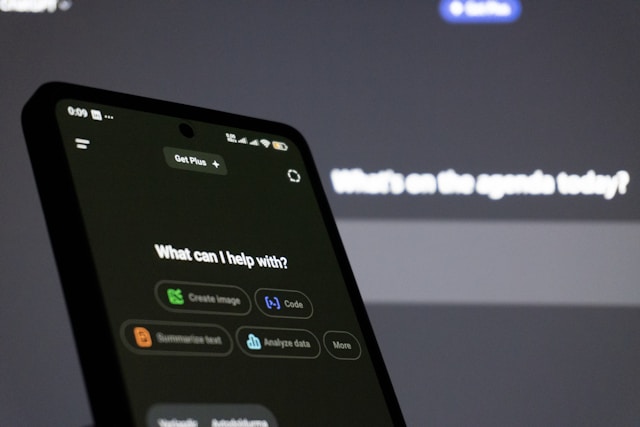
Today, AI is reshaping how learners with diverse needs access information. Real-time captioning, smart narration, and language translation reduce barriers for students with hearing or language challenges. These tools, driven by sophisticated models, also adjust content presentation to fit different cognitive styles and reading speeds, aligning with universal design for learning.
Educational leaders who adopt AI-powered accessibility gain actionable insights from data on engagement and drop-offs. Teachers can tailor lessons without sacrificing pace, while IT teams address device compatibility and security.
The result is a more inclusive learning ecosystem that scales across devices, networks, and geographies.
How AI Makes Learning Truly Accessible
Adaptive learning pathways are at the core of accessible education. AI analyzes performance, preferences, and context to suggest next steps, ensuring content remains challenging but attainable. This reduces frustration and keeps learners motivated, especially those who struggle with traditional pacing.
Multimodal interfaces, including voice, text, and visuals, let learners choose how they interact with material. Screen readers, captions, and image descriptions provide alternatives that support comprehension. Multilingual support helps students access content in their preferred language, expanding opportunities for non-native speakers.
Adaptive Learning Pathways
Adaptive pathways monitor progress in real time and reconfigure assignments accordingly. Minimal disruption to flow preserves confidence and reduces cognitive overload. The approach makes differentiated instruction scalable in large classrooms and online cohorts.
Multimodal Interfaces
Interfaces that combine speech, touch, and visuals accommodate varied abilities and environments. This flexibility supports asynchronous learning and fieldwork alike, ensuring accessibility both on low-bandwidth networks and high-end devices.
Practical Applications Across Contexts
In K-12 settings, AI-enabled captions and smart tutors help students with diverse needs stay engaged. Teachers receive real-time feedback on where students struggle, enabling targeted interventions. In higher education, AI tools support inclusive syllabi, inclusive assessments, and accessible digital libraries.
Corporate training benefits from scalable accessibility features that accommodate multilingual workforces and remote teams. In underserved regions, offline AI modules and downloadable content help bridge the gap when connectivity is limited. Across all contexts, privacy-aware AI preserves learner data while delivering personalized experiences.
K-12: real-time captions, reading supports, and accessible assessments.
Higher Ed: inclusive courses, accessible materials, and adaptive testing.
Workplace: multilingual modules, offline access, and compliant data handling.
Measuring Impact and ROI
Organizations must track both engagement and outcomes to justify investment. Key metrics include completion rates, time-on-task, and accessibility compliance levels. AI systems often provide dashboards that reveal where learners face friction and which supports are most effective.
ROI considerations extend beyond cost savings. Improved retention, faster onboarding, and greater employee satisfaction can translate into measurable business benefits. Universities and schools may see higher graduation rates and better accreditation outcomes as accessibility features reach a larger student body.
Implementation Roadmap for Institutions and Businesses
Begin with an accessibility audit that identifies gaps in content, platforms, and processes. Choose AI providers that demonstrate strong compliance with privacy standards and robust interoperability. Start with a pilot program in a single course or department before expanding widely.
Develop governance for data use, bias monitoring, and vendor risk. Train staff on inclusive design practices and collect feedback from learners. Finally, scale thoughtfully by aligning technology with pedagogy, budgets, and strategic goals.
Future Trends and Responsible AI
As AI becomes more embedded in learning, governance will matter as much as capability. Transparent data practices, bias mitigation, and standards-compliant integrations help maintain trust. Stakeholders should prioritize open collaboration with educators, students, and families.
Innovations like explainable recommendations, enhanced accessibility checkers, and context-aware tutoring will continue to evolve. By balancing innovation with privacy and ethics, institutions can unlock inclusive outcomes while safeguarding rights and dignity.
Read More
Read more articles on the topics that interest you
What Is Retrieval-Augmented Generation (RAG), and Why Does It Matter?
How RAG connects AI models to external information

How to Enter a High-Demand Career Without a University Degree
Concrete routes, from bootcamps to apprenticeships that lead to paid roles in tech and trades

10 Skills That Can Land You a Job Within 12 Months
Which skills employers actually hire for, how to learn them fast, and how to prove you can perform

South Africa's Hottest Careers for 2026
Where demand, pay, and training align for the next hiring cycle across key sectors

15 Jobs That AI Won't Replace Anytime Soon
Specific occupations where judgment, touch and trust keep humans essential for years

Highest-Paying Jobs in South Africa 2026
Real salary ranges, sector winners, and the qualifications that earn top pay