

Access real-time, historical, and end-of-day financial data. Developer-first APIs, SDKs, MCP server and more.
Get startedWhy So Many South Africans Struggle to Save
Understanding the real reasons behind our savings problem and what can be done about it
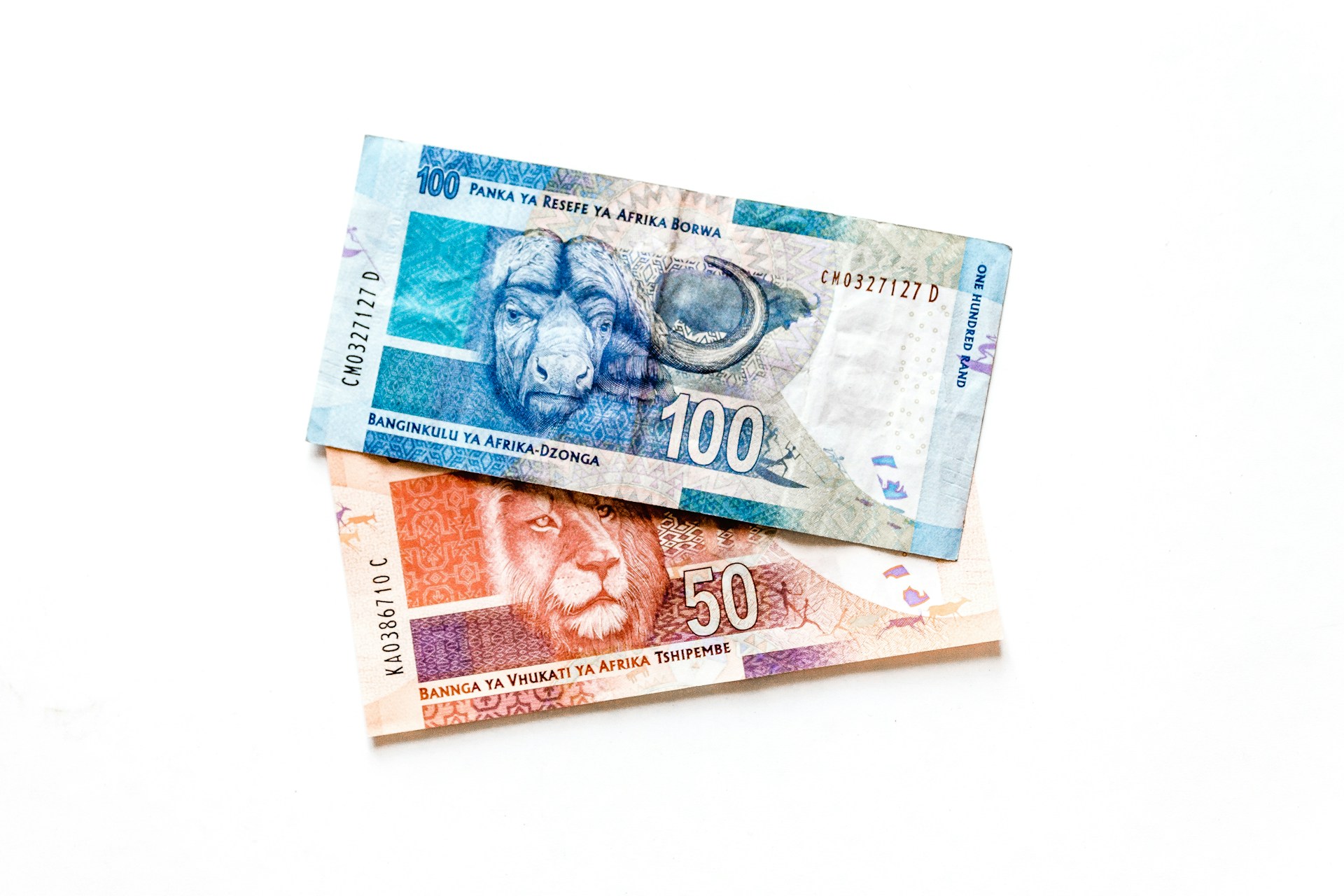
South Africans often say they would save if they earned more, but this is not always true. Many people who earn well above the national average still find themselves living from payday to payday.
It’s not always because of carelessness or poor planning. There are deeper issues in how we think about money, how we are taxed, and how we spend.
The weight of fixed expenses
The cost of living has grown faster than most salaries. Rent, food, fuel, and electricity take up a large share of the average income. Even small price increases push people closer to the edge.
It’s common for middle-income earners to find that more than half their pay is gone within a few days of being paid. When debt repayments and family responsibilities are added, there’s little room left for savings.
South Africa’s culture of extended family support also plays a part. Many people are the main source of income for several relatives. This responsibility is not a bad thing, but it makes saving for personal goals much harder.
The debt trap
Debt often fills the gap between what people earn and what they need. Credit cards, retail accounts, and personal loans are used to manage shortfalls.
The problem is that interest adds up quickly, and soon the debt becomes another fixed cost. It’s difficult to save when a large part of your income goes to repayments.
South Africans are also encouraged to borrow from an early age. Many young adults get credit before they understand how it works. The result is a lifetime of catching up instead of building up.
The missing link: financial education
Most people were never taught how to budget properly, compare interest rates, or understand how tax affects their income.
Schools focus very little on personal finance, and many adults learn through trial and error. It’s one reason why people get trapped in expensive debt or overlook savings tools like tax-free investment accounts and employer retirement plans.
Financial education should not be seen as a luxury. It’s a basic skill, as important as reading and writing. The more people understand their money, the better decisions they can make, even when their income doesn’t grow.
Making saving practical
Saving doesn’t always mean putting away large amounts. It can start small. Automating savings through a debit order, even for R200 a month, builds consistency. Opening an account with a good interest rate or using an investment platform that allows low minimums makes it easier.
For many South Africans, a realistic first step is creating a small emergency fund. It helps avoid taking on new debt when unexpected expenses come up. Once that habit is formed, it becomes easier to build toward long-term goals like home ownership or retirement.
Changing how we think about money
To fix our savings problem, South Africans need more than financial products. We need a mindset shift. That starts with learning to plan around priorities, understanding where our money truly goes, and being honest about what we can afford.
Real financial progress happens slowly, through simple habits repeated over time. Saving may feel impossible, but with knowledge and structure, it becomes a practical goal.
South Africans deserve that kind of confidence with money, not just to survive, but to build a future with freedom and security.
Read More
Read more articles on the topics that interest you

Become a Software Developer in South Africa: 6 Steps
Choose a learning route, build proof of skill and plan for your first role

How to Check and Improve Your Credit Score in South Africa
Get your report, spot errors and build a stronger record with manageable monthly steps

How to Pay Off Debt Faster in South Africa: 6 Moves
A clear plan for choosing repayments, cutting interest and avoiding costly setbacks

Remote Jobs for South Africans: 6 Roles Paid in Dollars
Where to look, what each role requires, and how to keep more of your pay

10 Side Hustles in South Africa to Start in 2026
Compare realistic startup costs, first-sale timelines and the trade-offs before you commit

How to Switch Careers at 35 in South Africa: 6 Steps
A low-risk plan for testing a new field, paying for training and changing jobs