

Market Data API for Stocks, ETFs & Forex
Access real-time, historical, and end-of-day financial data.
When Debt Collectors Call: What You Need to Know
How to verify claims, protect your rights, and respond without losing leverage or time
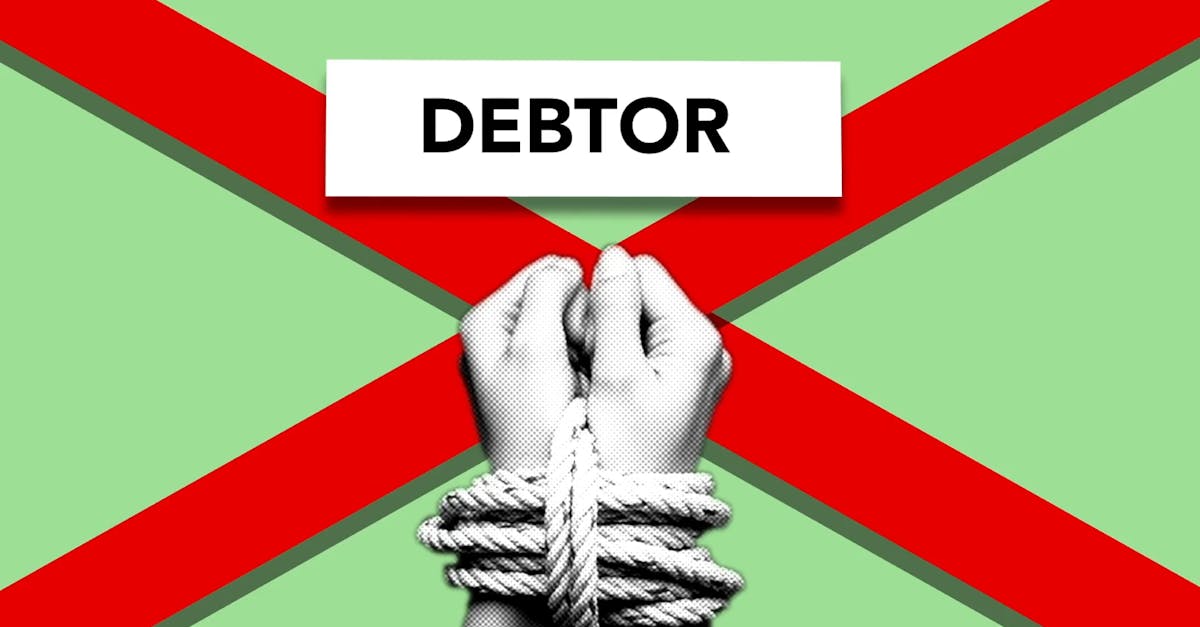
You pick up the phone and a voice says a debt has been assigned to a collection agency. The line goes quiet while you remember nothing, or you feel immediately ashamed because you missed payments months ago. That call can lead to a simple verification or to litigation, credit damage, and repeated harassment. How you respond in the first days matters more than most people realize.
The next paragraphs explain what collectors may legally do, what they may not, how to demand proof, what happens when you pay or ignore the call, and what to do if a lawsuit arrives. By the end you will know concrete steps you can take in the first 24–72 hours after contact, what paperwork to keep, and where to look for authoritative consumer protections.
What collectors can and cannot do
Debt collectors operate under federal law and a patchwork of state rules. The controlling federal statute is the Fair Debt Collection Practices Act, which bars harassment, false statements, and unfair practices. Collectors cannot call you before 8 a.m. or after 9 p.m., cannot threaten arrest or violence, cannot use obscene language, and cannot publicly shame you by naming your debt to coworkers or neighbors. They must stop contacting you if you send a clear written request asking them to do so.
That does not mean collectors are powerless. They can sue you. They can report accurate delinquencies to the three major credit bureaus — Experian, TransUnion, and Equifax — which can affect scores for years. They can garnish wages, but only after getting a judgment from a court and then following your state's procedures. What they cannot do are lies: a collector may not falsely claim to be an attorney if they are not, nor misrepresent the amount you owe.
For an official summary of consumer protections and examples of illegal conduct, the Federal Trade Commission maintains a clear guide at the FTC's debt collection page, and the Consumer Financial Protection Bureau posts tools for handling collectors at the CFPB debt collection hub. Keep those links handy; they are the primary sources collectors cannot rewrite.
How to verify a debt without admitting it
Within five days of the first contact a collector must send a written validation notice stating the amount, the creditor, and how to dispute the claim. You should treat that notice as your starting point, not as proof that the debt is legitimate. If you believe the debt is incorrect, the critical move is to dispute it in writing within 30 days. That forces the collector to pause collection efforts until they provide verification.
Start by asking for three things in writing: the original creditor’s name, the amount owed broken down by principal and fees, and documentation showing you incurred the debt. Do not admit liability on the phone. A casual acknowledgement can, in some jurisdictions, be used to restart timelines or revive an aged debt. Send your dispute and any requests for validation by certified mail with return receipt and keep copies of every page. Those records are the difference between a successful defense and a default judgment.
- Request written validation within 30 days of the first notice.
- Send a written dispute by certified mail and keep the receipt.
- Preserve all records: notice, mail receipts, and any messages or emails.
- Do not make a payment or agree to a payment plan until you have a written agreement.
The ordered steps above are deliberately sequential: you burn protection by acknowledging debt or making a payment before you have proof.
Money matters: credit reports, statutes of limitation, and settlement
A single unpaid account can remain on your credit report for seven years from the date of first delinquency. That is a hard rule under the Fair Credit Reporting Act for most negative information and explains why old charged-off accounts still surface. A collection on your report can lower your FICO score by 50 to 100 points or more, depending on your starting point and the scoring model. Credit effects are real and measurable.
The negative item remains on your credit report for seven years from the first missed payment that led to the collection.
Separately, the statute of limitations on suing you for an old debt varies by state and by the type of debt. Common windows are three to six years; Texas and Florida allow longer periods for certain contracts, while other states are shorter. Importantly, if you make a payment or sign a written promise to pay, you may restart the statute in some states. That is why collectors sometimes ask for a small 'good faith' payment; it is a tactic that can convert an otherwise expired claim into an actionable one.
Settlement is common. Collectors often buy debt portfolios for pennies on the dollar — sometimes 3 to 20 cents on the dollar — and can accept less than the full balance. If you settle, get the agreement in writing on company letterhead, signed and dated, and have it state explicitly that the settled amount will be accepted as full satisfaction and that the collector will report the account as paid or removed. A verbal promise is worthless; ask for a signed document before you hand over money.
When a collector sues: timelines and responses
Being served with a lawsuit transforms the situation immediately. A summons will include a deadline to answer, typically 20 to 30 days depending on where you live. Ignoring that deadline is the most common and most costly mistake people make; a default judgment often follows, and then wage garnishment and bank levies become possible without further negotiation.
Your first priority is to respond in the exact way the summons requires. Read the complaint carefully: it will list the plaintiff (often the collector or a debt buyer), the amount claimed, and where to file your answer. Filing an answer can raise defenses: mistaken identity, lack of standing, chain-of-title gaps for the debt, or improper calculation of interest and fees. If you lack resources, many states have free legal aid services or low-cost consumer clinics; some courts require a notice informing you of available help.
If you can, get an attorney's review quickly. Even in small-claims cases where hiring counsel is not practical, showing up and contesting the claim often produces better outcomes than absence. Collectors rely on default judgments; forcing one more step — a hearing or negotiation — increases your leverage.
Practical tactics for dealing with collection contact
Begin by documenting: note the date and time of each call, the collector’s name, the company, and the phone number. Ask for and save any validation notice. Use certified mail for disputes. If a collector violates the FDCPA — by calling at forbidden hours, revealing information to someone else, or threatening illegal action — you can report them to the FTC and to your state attorney general, and you may have a private right to sue. The CFPB also accepts consumer complaints and can intervene where patterns of abuse appear.
When negotiating, make offers you can keep. A lump-sum settlement often saves money and is attractive to collectors; ask for a written confirmation that the payment will settle the account and how the account will be reported to credit bureaus. Be wary of 'pay to delete' promises. Credit bureaus discourage pay-for-delete arrangements and collectors are not obliged to remove accurate negative information simply because you pay.
The final reality and a clear closing instruction
Most collector calls end without litigation. Many are resolved by verification, partial payment, or a written settlement. Still, the cost of inaction is high: a single missed deadline can convert a negotiable dispute into a court-ordered wage garnishment. Treat early contact as an opportunity to collect documents and to set boundaries, not as an emotional crisis. Preserve everything, demand written proof if you doubt the debt, and respond to lawsuits on time. When you must negotiate, get the terms in writing and keep a paper trail long after the account is closed.
Debt collectors can be persistent, but the law gives you tools to limit harm. Use them deliberately: verify, document, and insist on written agreements. If you do those three things, you turn a distressing call into a manageable process that protects your pocketbook and your rights.
Read More
Read more articles on the topics that interest you

How Much Do You Need to Retire in South Africa? 3 Rules
Estimate your target from monthly spending, then adjust for housing, healthcare and investment risk

What Is Inflation? How It Affects Your Salary in South Africa
See what rising prices do to your buying power, plus how to assess a raise

Best AI Website Builders for Beginners in 2026: 5 Picks
Compare easy site creation, online selling, costs and the trade-offs before you choose

Why the Rand Loses Value Against the Dollar: 5 Causes
See how interest rates, exports and investor confidence shape the exchange rate and your costs

How to Register a Company in South Africa: 7 Steps
From choosing a company name to tax checks, costs and your first compliance dates

Tax-Free Savings Account vs Retirement Annuity: Which Wins?
Compare tax relief, access, limits and a simple rand example before choosing