

Access real-time, historical, and end-of-day financial data. Developer-first APIs, SDKs, MCP server and more.
Get startedPractical Object Detection for Real World Apps
A actionable guide to building, deploying, and monetizing robust object detection in everyday environments
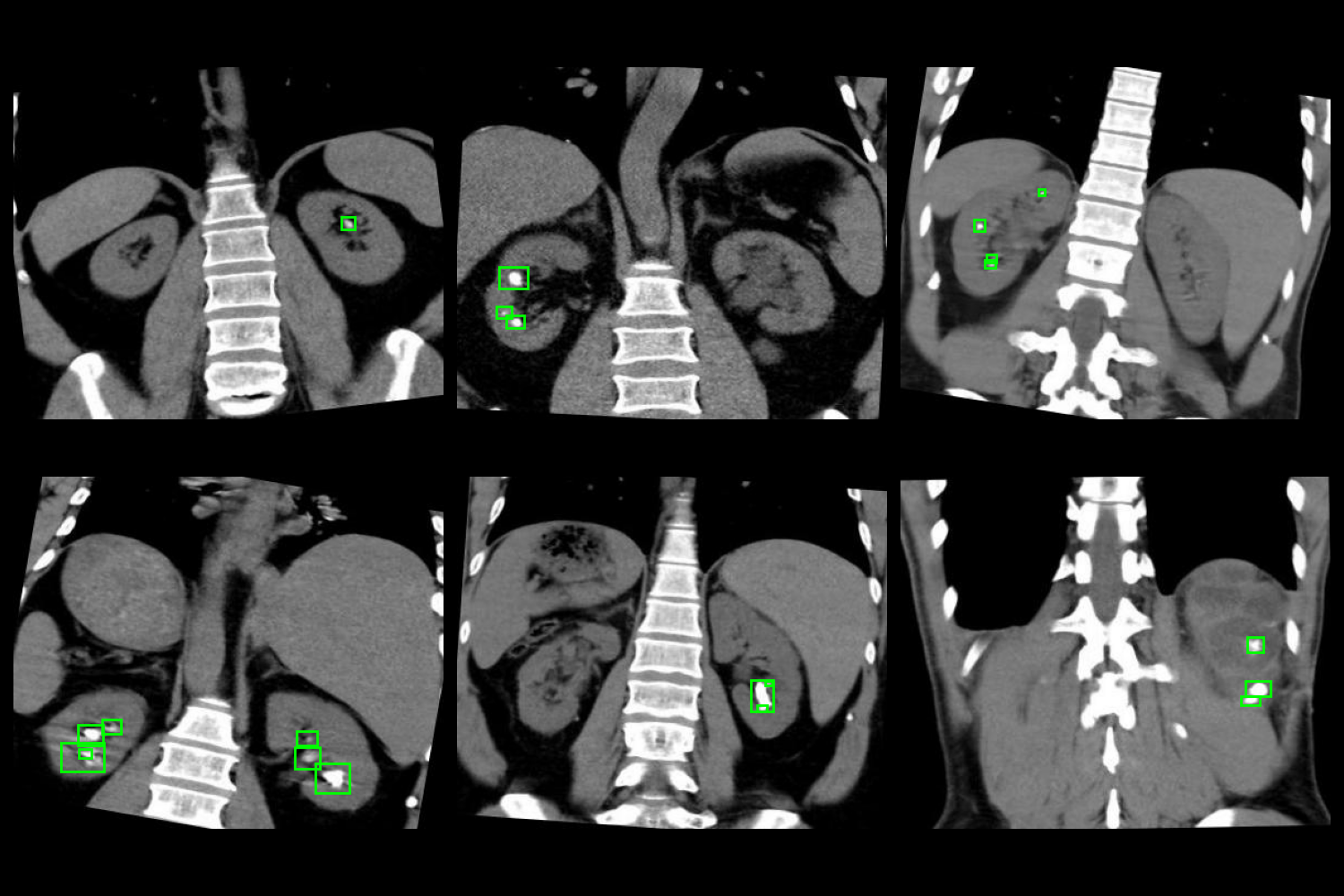
What Object Detection Brings to Real World Applications
Object detection can identify and locate objects in images and video in real time. In real-world apps, this capability translates into safer vehicles, smarter retail, and faster industrial inspections. The key is aligning detection capabilities with concrete goals, such as reducing false positives or speeding up workflows.
When well integrated, detection becomes a layer of intelligence that customers notice as reliability and speed. You can monetize it by enabling new features, improving compliance, and supporting data-driven decisions. In this article we surface practical considerations you can act on today.
From Models to Measurements: Picking the Right Approach
There are many model families, from light-weight detectors designed for edge devices to high-accuracy pipelines used in cloud environments. The choice depends on latency targets, compute budgets, and data privacy constraints. Start with a clear set of metrics: mAP, latency, and throughput for your use case.
Beyond accuracy, consider robustness to real-world variations: lighting, occlusion, weather, and camera angles. A practical strategy often blends a fast detector for initial screening with a stronger model for final verification. This balance keeps costs predictable while preserving results quality.
Data, Labels, and Reliability: Building a Solid Dataset
High-quality data drives detection performance more than any single algorithm. Invest in diverse, representative samples that mirror real operating conditions. Labeling should capture both object categories and precise bounding boxes.
Annotation quality matters. Implement review loops, cross-checks, and clear guidelines. A data-centric approach helps you reduce false detections, detect labeling drift, and support ongoing model improvement.
Deploying Object Detectors in Production
Production deployment requires careful attention to monitoring, versioning, and rollback plans. Start with a small pilot, collect telemetry, and measure how the model behaves over time. Real-world pipelines must handle data skew, frame rate changes, and resource contention.
Edge vs cloud deployment changes the equation. Edge devices offer low latency and privacy but constrain model size. Cloud deployments unlock larger models and scalable inference, yet depend on network reliability and cost models. Design for hybrid setups when possible.
Measuring Success and Monetizing Your Solution
Define success in business terms: faster inspections, fewer safety incidents, or new paid features. Tie metrics directly to outcomes like cycle time improvement or defect reduction. Transparent dashboards help stakeholders make informed decisions and justify budget.
Monetization comes from delivering tangible value to customers. Package object-detection features as modules, APIs, or managed services. Clear pricing, service levels, and robust security will win long-term adoption.
Getting Started: A Practical Roadmap
Begin with a small, well-scoped project to validate your assumptions. Gather representative data, define success metrics, and set a realistic timeline. Iterate quickly on model choice and data improvements.
Build a repeatable workflow: data collection, labeling, training, testing, deployment, and monitoring. Consider these steps:
Define success metrics
Collect representative data
Train and validate models
Deploy with monitoring
A practical approach reduces risk while delivering early value.
Read More
Read more articles on the topics that interest you

Solar Cost for Small Businesses in South Africa: Ranges
See what different system sizes include, where extra costs hide, and how to compare quotes

How to Buy Bitcoin in South Africa Legally in 5 Steps
Choose a provider, pay in rand, check the costs and keep tax records

How to Build a Full-Stack Web App With AI in 7 Steps
Adapt a starter project, then use AI to build, test and launch your first working version

Best AI Website Builders for Beginners in 2026: 5 Picks
Compare easy site creation, online selling, costs and the trade-offs before you choose
Jobs most likely to be replaced by Artificial Intelligence
Exploring careers at risk due to AI advancements and automation

How to start an AI business in South Africa
Essential steps for launching an AI venture in South Africa