
Access real-time, historical, and end-of-day financial data. Developer-first APIs, SDKs, MCP server and more.
Get startedJSE Top 40 Explained: What It Is and How to Invest
See what the index tracks, how to buy exposure, and which costs to check first
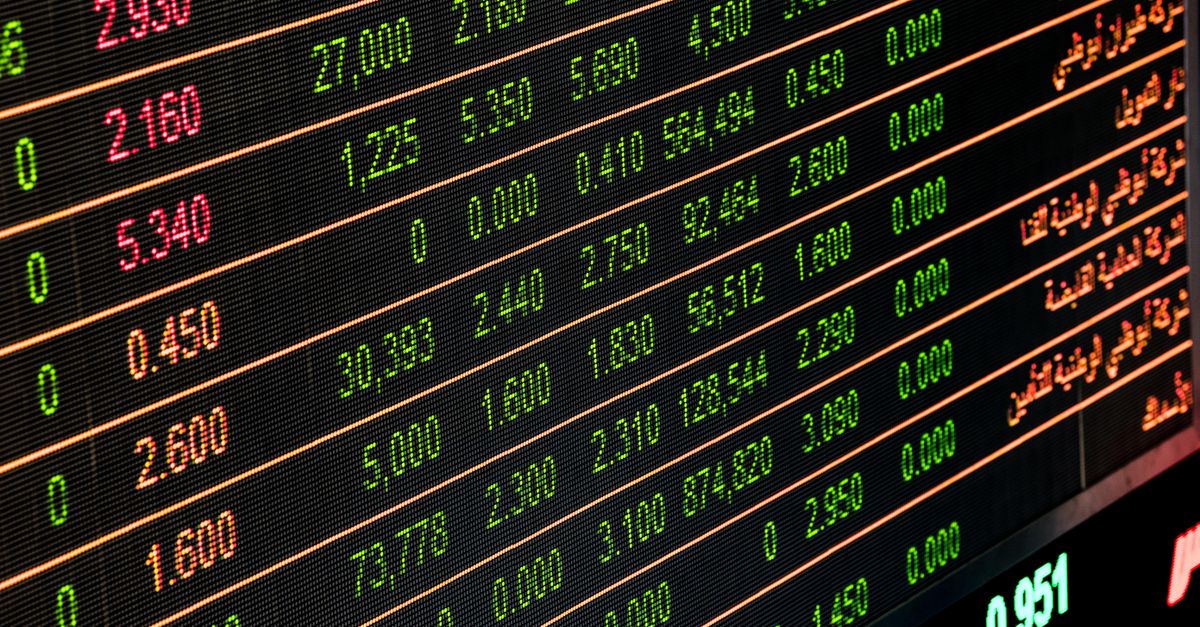
The JSE Top 40 is a share index that tracks 40 of the largest companies listed on the Johannesburg Stock Exchange, selected using investable market value. You can invest in its performance by buying a Top 40 exchange-traded fund (ETF) through a South African investment platform, rather than purchasing all 40 shares yourself. The index itself is a measurement, not an investment product.
The Top 40 gives you exposure to major JSE-listed businesses, but it does not spread your money evenly across 40 companies or guarantee a profit. Before investing, check how the fund tracks the index, what it costs, and how much of its value sits in its biggest holdings. Those details matter more than the index name on the product label.
What does the JSE Top 40 measure?
The JSE Top 40 measures the share-price performance of 40 large companies on the JSE, with each company’s influence linked to its investable market value. A larger eligible company can therefore affect the index more than a smaller one. The exact constituents and their weights can change as companies’ values and index rules change.
The index is often described as a snapshot of South Africa’s biggest listed companies, but that description needs a caveat. Many large JSE-listed businesses earn a substantial share of their revenue outside South Africa. Buying the Top 40 can give you exposure to companies listed locally without making your investment a pure bet on the domestic economy.
It is also a concentrated share investment. A few large firms can account for a sizeable portion of the index, and their share-price moves can have an outsized effect on its return. The Top 40 includes companies from different sectors, but owning it does not give you the same spread as investing across global markets, bonds and cash.
The JSE publishes information about its indices and market on the JSE website. For an investment decision, use the index information alongside the specific ETF’s latest fact sheet, which sets out its holdings, benchmark and charges.
How can you invest in the JSE Top 40?
For most individual investors, the simplest route is a Top 40 ETF. An ETF is a fund that trades on the stock exchange like a share and aims to track an index. South African providers, including Satrix and 1nvest, offer JSE-listed Top 40 ETF products; check each provider’s current fund documents because names, fees and structures can change.
You generally open an investment account with a bank, broker or investment platform, add money, search for the ETF by its name or exchange code, and place a buy order. Platform availability and minimum amounts vary. Read the platform’s fee schedule and the fund’s fact sheet before placing an order, rather than assuming that the cheapest-looking fee is the whole cost.
You can also buy shares in some or all of the index companies directly. That gives you control over each holding, but matching the index requires ongoing decisions as its constituents and weights change. Buying dozens of separate shares can also mean more trades, more administration and higher dealing costs than buying one ETF.
Another route is a unit trust or other index-tracking fund, if a provider offers one that follows the Top 40. Compare its benchmark and fee structure with an ETF. The word “index” alone does not tell you whether a fund tracks the same index, how closely it follows it, or what you will pay.
What does investing in a Top 40 ETF cost?
Your total cost can include the fund’s annual management fee, broker or platform charges, transaction costs and the difference between the ETF’s buying and selling prices. The bid-offer spread is a real cost: you may buy at a higher price than the price at which you could sell at that moment. Fees differ by provider and platform, so check the current figures in their official documents before investing.
For a simple illustration, say you invest R1,000 a month for a year. You contribute R12,000 in total, before any investment gains or losses. If you pay a R10 dealing fee on each of 12 monthly purchases, dealing fees alone would total R120, before the fund’s annual charge, platform fees and spreads. The example is arithmetic, not a claim about what a particular platform charges.
That is why a small, regular purchase can be expensive on a platform that charges a fixed fee per trade. Compare monthly purchases with buying less often, while remembering that holding cash until a larger purchase also means that money is out of the market in the meantime. If your platform has no fixed dealing fee, the balance may be different.
Check whether the ETF reinvests dividends or pays them to you. Dividends are cash distributions from companies held by the fund, but their timing and treatment depend on the fund’s structure. South African tax may apply to dividends and to gains when you sell, depending on your circumstances and the account you use. The SARS website provides official tax information; a tax practitioner can advise on your position.
What risks should you weigh before buying?
The main risk is that share prices can fall, sometimes sharply, and an index fund follows its benchmark down as well as up. There is no guaranteed return or fixed timeline for recovering a loss. Only invest money you can leave invested through market declines, and keep money needed soon in an option suited to a short time horizon.
Concentration is another risk. If a small group of the largest companies drives the index, poor performance from those firms can pull down your investment even if many smaller listed companies do well. A Top 40 ETF is therefore not the same as a fund that holds every company on the JSE in equal proportions.
There is also currency exposure through companies with overseas earnings and operations. Their results can be affected by exchange rates and conditions in the countries where they do business. That exposure may add variety to a portfolio, but it does not remove the risk of losses or make the fund a substitute for a deliberately diversified global portfolio.
A common mistake is to choose a fund based only on its recent returns or its headline fee. Compare its benchmark, index-tracking approach, full cost disclosures, distribution policy and largest holdings. A fund can have a low annual fee and still cost more than expected once trading charges and spreads are included.
Is the JSE Top 40 right for your portfolio?
A Top 40 ETF can suit an investor who wants a simple, locally listed share investment and can accept substantial swings in value. If you need the money in the near term, or want broad exposure across countries and asset types, choose a different or additional investment that fits that need. The trade-off is straightforward: a Top 40 fund is easy to buy, but its focus on large JSE companies leaves gaps.
Think about what you already own before adding one. If your workplace retirement fund or other investments already hold many of the same large South African companies, another Top 40 ETF may increase that concentration rather than diversify you. Check the actual holdings, not just the product category.
For example, say you have R50,000 set aside for long-term investing and decide to put R5,000 into a Top 40 ETF. That is 10% of the amount you described, but it could be a larger share of your total investments if your retirement fund holds similar companies. The right allocation depends on your full portfolio, your time horizon and how much loss you could tolerate without selling in a panic.
If you are investing through a tax-free savings account, check that the account provider offers the ETF and confirm the applicable rules with SARS or the provider. A tax-free account changes the tax treatment of eligible investments, not the ETF’s market risk. This is general information, and a licensed financial services provider, tax practitioner or relevant regulator can advise on your own situation.
Before investing, compare the latest fact sheets for two available Top 40 ETFs and write down each one’s benchmark, annual fee, distribution policy and largest holdings. Then check your platform’s trade and account charges; if the money is needed soon or the fund would make your portfolio heavily dependent on the same few companies, do not buy it simply because the index is familiar.
Read More
Read more articles on the topics that interest you

Is Solar Power Worth It in South Africa? The Numbers
Compare upfront costs, bill savings, battery trade-offs and payback before requesting quotes

Is a Postgraduate Degree Worth It in South Africa? Cost Test
Compare tuition, lost income and likely career gains before you enrol

How to Apply for NSFAS Funding for 2027 in 7 Steps
Check eligibility, prepare documents and track your application without missing a decision

Best Credit Cards in South Africa 2026: 5 Picks Compared
Compare everyday costs, rewards and travel features before choosing a card that fits your budget

How to Pay Less Tax in South Africa: 7 Legal Moves
Seven options for employees, investors and business owners, with costs and eligibility explained

How Much Tax Will You Pay on R30k a Month in SA?
See the estimated PAYE, UIF deduction and take-home pay before other benefits