

Access real-time, historical, and end-of-day financial data. Developer-first APIs, SDKs, MCP server and more.
Get startedIs Solar Power Worth It in South Africa? The Numbers
Compare upfront costs, bill savings, battery trade-offs and payback before requesting quotes
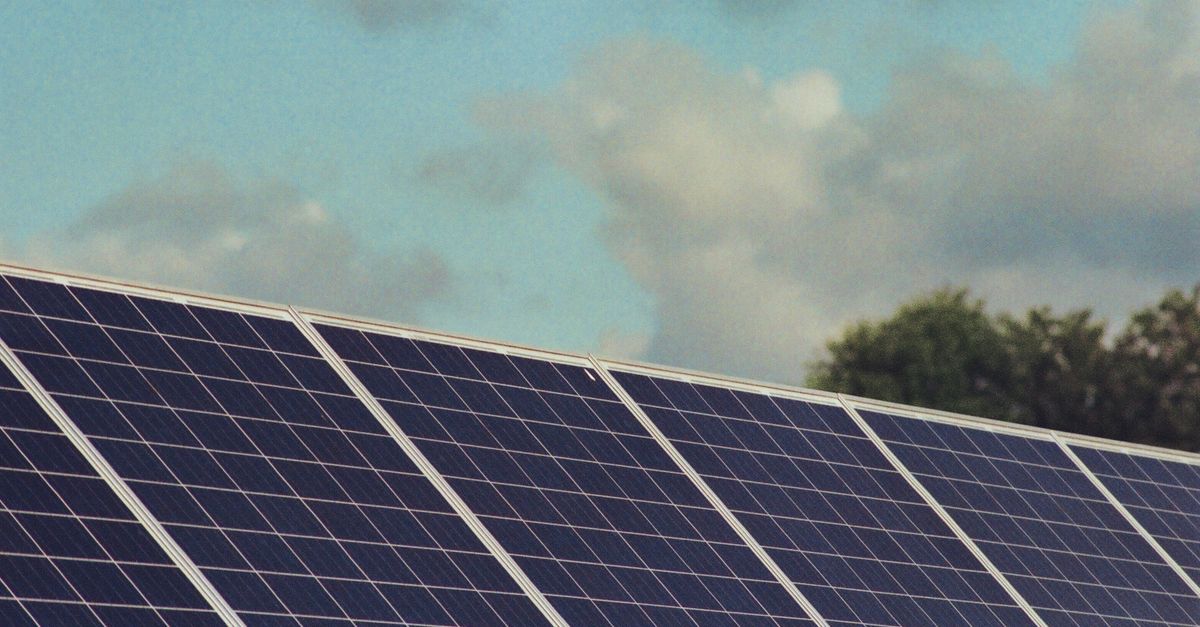
Solar power can be worth it for a South African home if you use a good share of the electricity it produces, especially during the day, and expect to stay in the home for several years. A grid-tied system without a battery usually costs less and can cut daytime consumption from the grid. A battery adds backup during outages, but often makes the financial payback slower.
Your result depends on your electricity tariff, how much power you use after sunset, the installation price and your municipality’s rules. The worked example below shows how to test a quote, including the battery cost people often overlook, and when solar water heating or a smaller system may suit you better.
Is solar power worth it for a South African home?
Solar power is most likely to pay financially when your home uses electricity during daylight and the system is sized to meet that demand without producing large amounts you cannot use. If most of your consumption is at night, panels alone may not reduce your bill as much as you expect.
Solar panels produce electricity when the sun is available. A grid-tied inverter sends that power to your home, while the grid supplies any shortfall. Without a battery, a typical grid-tied system does not keep the lights on during a power cut: many inverters shut down when the grid fails, unless the installation includes suitable backup equipment.
A hybrid inverter can work with batteries and, depending on its setup, provide backup circuits during an outage. That convenience has a price: batteries add to the initial bill and need eventual replacement. If outages are rare where you live, paying extra for storage may be hard to justify on savings alone.
Solar also does not remove the fixed charges on your municipal or Eskom account. You may still pay a basic, network or service charge even when you buy less electricity. Check the bill structure with your supplier before estimating savings; reducing units used is not the same as eliminating the account.
There is no single payback period that applies to every home. A sunny roof helps, but so do a high electricity price, daytime appliance use and a sensible installation cost. Shading, roof direction, tariff changes, equipment performance and repairs can all shift the result.
How much does a home solar system cost?
The price depends on system size, inverter type, battery capacity, roof work, installation complexity and what the quote includes. Treat online prices as a starting point, not a final budget: ask at least three registered installers for itemised quotes based on a site assessment.
Compare the same design across quotes. Ask for the panel and inverter models, battery capacity in kilowatt-hours, expected usable capacity, warranties, monitoring, labour, electrical protection and any roof repairs. Confirm whether the quote includes municipal application or registration work where required. A low headline price can omit items that appear later as extras.
For a simple financial test, compare the system cost with the value of grid electricity it is expected to replace. Say an illustrative system costs R120,000 and reduces your electricity purchases by R1,500 a month. That is R18,000 a year, so the simple payback is about 6.7 years: R120,000 divided by R18,000.
That calculation is not a promise. It assumes the monthly saving stays unchanged and excludes maintenance, financing charges, degradation, equipment replacement and the time value of money. If the actual saving is R900 a month, the same system takes about 11.1 years to repay on this simple basis. Use your own bills and the installer’s forecast, not the example’s figures.
Ask for the forecast in kilowatt-hours by month and how the installer estimated the share you will use yourself. A system that sends surplus electricity to the grid may not earn you the same value as electricity consumed in your home. Export credits and buy-back arrangements differ by municipality and provider, and approval may be required before connecting.
How do you estimate solar savings and payback?
Start with a year of electricity bills, or at least several representative months, and note your units used, tariff and fixed charges. Then work out when the larger loads run: geyser, pool pump, washing machine, dishwasher and cooking appliances. Shifting suitable tasks into daylight can make a smaller panel system more useful.
Suppose a household uses 600 kilowatt-hours a month and the system supplies 250 kilowatt-hours that the household consumes directly. If the avoided electricity costs R3 per kilowatt-hour, the illustrative monthly saving is R750, before fixed charges and any other effects. The arithmetic is 250 multiplied by R3; the actual tariff and savings must come from your own account and system design.
Do not assume every unit the panels produce saves you the full retail tariff. Some generation may be unused at the time it is produced, and export compensation may be lower than the price you pay to buy electricity. Ask the installer to show separate estimates for self-consumption, exported power and grid purchases.
Financing changes the decision too. If you borrow to pay for solar, compare the monthly repayment and fees with the expected bill reduction, and check whether the repayment continues after the equipment’s estimated payback date. A saving on paper does not help cash flow if the loan instalment is larger than the bill reduction.
Use a conservative estimate rather than the best-case forecast. Ask what happens if production is lower than predicted, your tariff changes, or you move before the system has paid for itself. For advice on a personal borrowing or investment decision, speak to a licensed financial services provider; this is general information, not personal financial advice.
Is a solar battery worth the extra cost?
A battery is worth considering when keeping selected circuits running through outages matters to you, or when evening electricity use is high and the battery can charge from solar. It is less compelling if your main goal is the quickest financial payback and you can use most solar power during the day.
Battery capacity is not the same as the amount of usable electricity. The inverter, battery settings and reserve kept for outages affect what you can draw. Ask the installer to list which circuits will receive backup and how long they are expected to run under a stated load. A few lights, router and fridge require less power than an oven, kettle or geyser.
Battery wear is a hidden cost. A battery’s usable capacity declines with use and age, and its warranty has conditions. Check the warranty period, energy-throughput limit, allowed charging conditions and who handles a failure. Do not assume the battery will last as long as the panels.
If you mainly need hot water, compare solar panels with a solar water heater or a heat pump before buying a large battery. Those options target a specific load, though installation conditions and household use determine whether they make sense. A geyser timer or moving a pool pump to sunny hours can also improve the value of a smaller system.
What rules and costs should you check before installation?
Check the connection requirements with your local electricity supplier before signing. Municipalities set their own processes for small-scale embedded generation, and requirements can include registration, technical documents, approved equipment or a meter change. Eskom customers should check Eskom’s current requirements directly; municipal customers should use their municipality’s official information.
Do not assume your system can export electricity or that the utility will pay you for it. Some homes are better served by a zero-export setup, which limits power sent to the grid. Ask who configures and tests that setting, and what happens if the meter or inverter is incompatible with the proposed design.
Get the installer’s electrical compliance documentation and make sure the work is completed by appropriately qualified people. Ask how panels will be fixed to your roof, whether the roof can carry the load, and whether the installation affects your home insurance. Roof repairs after panels go on can mean extra labour to remove and reinstall equipment.
Check the warranty for panels, inverter, batteries and workmanship separately; one warranty does not cover everything. Confirm the service process if a component fails, whether monitoring needs an internet connection and what maintenance the installer expects. Keep the final design, certificates, invoices and warranty details with your home records.
Rules, tariffs and available export arrangements can change. At the time of writing, confirm the latest connection requirements and charges with your electricity supplier or municipality rather than relying on an installer’s general claim. If you want to check a tax position, use the SARS homepage for current tax information, since incentives and eligibility can change.
Which solar option should you choose?
If your home is occupied during the day, your roof gets good sun and you want lower bills, start by pricing a grid-tied system without a battery. Choose a hybrid system with storage if backup during outages is worth the extra cost to you, and ask for a separate quote so you can see exactly what the battery adds.
If you rent, plan to move soon or have a shaded roof, the payback may be less attractive. Ask your landlord about permission and who owns the equipment, or compare lower-cost changes such as efficient lighting, geyser controls and shifting flexible appliance use. Avoid buying a system sized for a future electric vehicle or larger household unless that demand is likely and included in the calculations.
Before you decide, compare three itemised quotes against your last 12 months of bills, using your actual tariff and a conservative estimate of daytime use. Reject any payback calculation that hides fixed charges, assumes every exported unit earns the full retail rate or leaves battery replacement out of the discussion.
Read More
Read more articles on the topics that interest you

Best Online Courses South African Employers Respect in 2026
Compare recognised tech, data and project credentials by cost, time and job fit

JSE Top 40 Explained: What It Is and How to Invest
See what the index tracks, how to buy exposure, and which costs to check first

Is a Postgraduate Degree Worth It in South Africa? Cost Test
Compare tuition, lost income and likely career gains before you enrol

How to Apply for NSFAS Funding for 2027 in 7 Steps
Check eligibility, prepare documents and track your application without missing a decision

What Is an AI Agent? 5 Small-Business Uses That Save Time
See what agents can do, what they cost and where human checks still matter

Best Credit Cards in South Africa 2026: 5 Picks Compared
Compare everyday costs, rewards and travel features before choosing a card that fits your budget