
How Artificial Intelligence Is Reshaping Daily Life
Practical ways AI impacts routines, work, health, privacy, and simple next steps
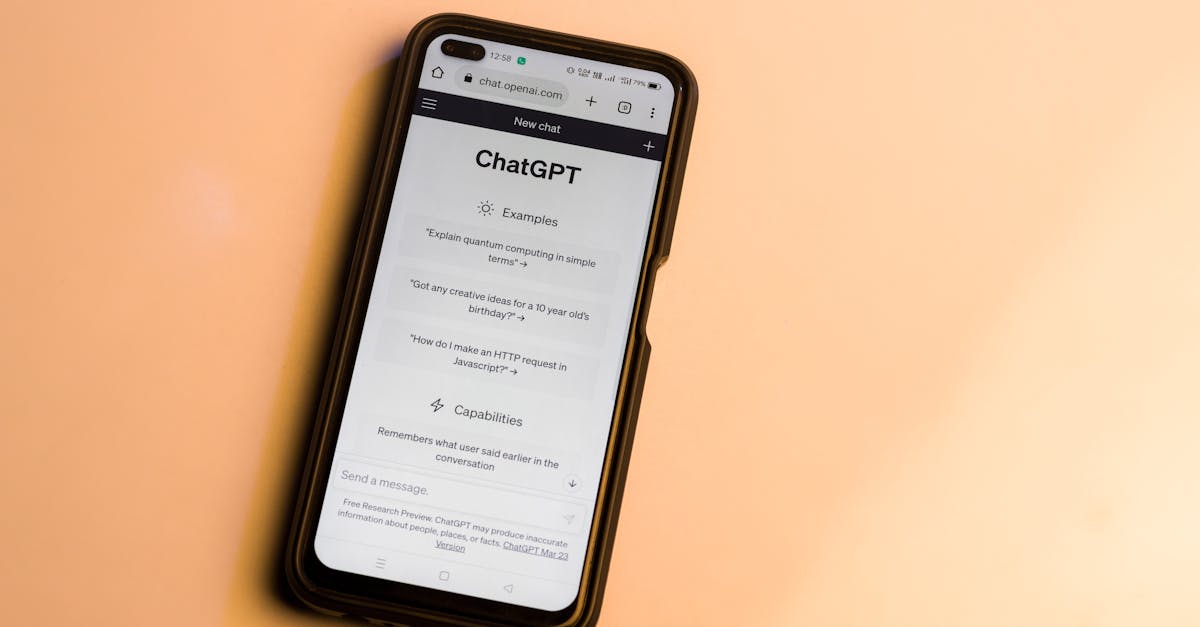
You notice AI more than you think: it suggests your next playlist, routes your commute, and filters spam before it reaches your inbox. That subtle convenience can feel like magic, but it comes from models and systems quietly running in the background.
This article explains how those systems affect daily choices, work habits, health routines, and personal privacy — and gives concrete steps you can take to benefit while staying safe.
Where you already encounter AI every day
AI isn't just a futuristic concept; it's embedded in services you use right now. Recommendation engines power streaming platforms and shopping suggestions. Voice assistants interpret commands and control devices. Your phone’s camera uses on-device models to improve photos in real time.
Key everyday AI touchpoints include search engines, navigation apps, email filters, smart speakers, personalized ads, and bank fraud detection. Each of these uses algorithms that learn from data to predict what you want next.
Search and discovery: Personalized search results and suggested queries.
Communication helpers: Email autofill, grammar suggestions, and spam filters.
Smart devices: Thermostats, doorbells, and vacuum robots that adapt to your habits.
How AI changes your home life
Smart home features create convenience and potential savings. A thermostat that learns your schedule can lower energy bills. Voice assistants let you control lights, music, and appliances hands-free. Cameras and sensors provide security and automation that used to require manual intervention.
Practical household benefits are tangible: time savings, energy efficiency, and improved accessibility for people with mobility or vision challenges. But there are trade-offs, especially around data collection and shared device access.
Schedule-based heating and cooling to reduce utility costs.
Automated lighting scenes for safety and comfort.
Hands-free routines through voice commands and shortcuts.
Workplace shifts: productivity and new roles
At work, AI augments tasks rather than just replacing them. Automation handles repetitive data entry and basic reporting. Intelligent assistants summarize long documents, suggest edits, and generate first drafts of routine communications.
What changes you can expect include faster reporting cycles, clearer insights from data, and a rebalancing of human work toward creative, supervisory, and strategic tasks. Employers are increasingly using AI to analyze employee workflows and spot inefficiencies.
Faster data analysis through automated dashboards.
AI-powered scheduling that optimizes meeting times and attendees.
Content assistants that draft, proofread, and localize material.
Healthcare and wellness: personalization and early detection
AI is improving diagnostics, tailoring treatment plans, and helping people manage chronic conditions. Machine learning models analyze patterns in imaging, lab results, and wearable data to flag issues earlier than periodic checkups sometimes do.
Everyday healthcare impacts can be as simple as a smartwatch alerting you to irregular heartbeats or as advanced as AI-assisted radiology that highlights suspicious findings for a clinician to review.
Wearable alerts for irregular vitals and activity tracking.
Telehealth triage that routes patients to the right care level.
Medication reminders and personalized coaching through apps.
Stat: Industry analyses show AI adoption in healthcare is accelerating diagnostic workflows and patient monitoring, which can reduce time to treatment and lower costs.
Transportation and mobility: safer and more efficient travel
Routing apps use real-time traffic data and machine learning to minimize travel time. Ride-share platforms match drivers and riders while optimizing routes. Advanced driver assistance systems (ADAS) such as collision warnings and lane-keeping rely on AI to improve safety.
Future changes are gradual: fully autonomous vehicles remain in testing, but many safety and convenience features are already commonplace and continue to evolve with better sensors and models.
Enhanced navigation with predictive traffic forecasting.
Driver-assist features that reduce accidents and fatigue.
Micromobility optimization for shared scooters and bikes.
Privacy, bias, and trust: risks to manage
With convenience comes risk. Data collection and opaque decision-making can expose sensitive information or lock people into unfair outcomes. Bias in training data can produce discriminatory results in hiring, lending, or law enforcement tools.
Practical ways to reduce risk include limiting unnecessary data sharing, using privacy settings, and evaluating services for transparency and third-party audits. Awareness of the trade-offs lets you choose where convenience is worth the cost.
Review privacy policies and data retention terms.
Prefer services that publish model behavior or audit reports.
Use two-factor authentication and strong passwords on devices.
Concrete steps to use AI safely and effectively
It helps to treat AI features like any other tool: test them, monitor outcomes, and apply guardrails. Small habits protect your privacy and improve results over time.
Actionable starting steps you can implement today are simple but effective. They keep control in your hands and reduce surprise outcomes.
Enable privacy modes and limit permissions on apps and devices.
Regularly review and delete voice assistant recordings and device logs.
Validate important decisions (financial, medical, legal) with a human expert when possible.
Use reputable sources for health or safety recommendations rather than relying solely on an app.
Everyday scenarios: short case studies
Concrete examples show how AI influences realistic choices and outcomes. These mini case studies highlight both benefits and cautions so you can apply the lessons to your routine.
Commuter savings: A commuter uses a navigation app that predicts traffic and switches routes, saving 15 minutes daily and reducing stress. The trade-off: the app stores location history, so they reviewed privacy settings to limit long-term storage.
Health monitoring: A person with irregular sleep tracks nightly patterns with a wearable and shares summaries with their clinician, who refines treatment. They selected a device with exportable data to maintain control over records.
Work efficiency: A content team adopts an AI assistant to draft first-pass articles and translations, freeing staff to focus on creative direction. The team established an internal review checklist to catch factual errors introduced by the assistant.
Common questions about AI in daily life
People often wonder what to trust and how to prepare. These concise answers address the most common concerns.
Is my data safe with smart devices? Safety depends on vendor practices. Favor devices from companies that support encryption, regular security updates, and clear data policies.
Will AI take my job? AI changes job duties rather than simply eliminating roles. Roles that combine technical oversight with creativity and emotional intelligence remain strong.
How can I spot biased outcomes? Look for patterns: consistent disparities across groups, lack of transparency on training data, or decisions that lack clear rationale. Those are red flags to escalate or avoid.
Reliable resources to learn more
To stay informed, consult reputable research and analysis from established organizations. These sources focus on trends, ethics, and real-world impact.
The Stanford AI Index for yearly trends and broad analysis of AI progress and adoption.
McKinsey research on AI adoption for industry-level impacts and economic insights.
Pew Research findings on public perceptions to understand how people view AI in the workplace and society.
Putting it into practice: a short checklist
Use this checklist to make immediate, practical improvements to how you interact with AI daily. Each item is quick to act on and improves control or outcomes.
Audit device permissions: Remove microphone, camera, and location access for apps that don't need them.
Enable updates: Turn on automatic updates for devices and apps to get security patches promptly.
Set boundaries: Decide which decisions you'll accept from an AI system and which will require human review.
Document outputs: Keep copies of important AI-driven decisions (loan offers, medical summaries) for future reference.
Final recap and clear next steps
Artificial intelligence touches many parts of daily life, from convenience in your home to powerful tools at work and personalized healthcare alerts. The benefits are real: time savings, improved insights, and new capabilities. The risks are manageable when you apply straightforward practices to protect privacy and ensure reliable outcomes.
Key takeaways: treat AI features as tools that require oversight, limit unnecessary data sharing, and prefer services with transparent practices. Small actions like reviewing permissions, saving important outputs, and validating critical decisions go a long way.
Start implementing these strategies today: review device permissions, enable security updates, and decide which AI suggestions you’ll accept automatically versus which you’ll verify. Those first steps help you capture the advantages of AI while keeping control over your data and decisions.
Now that you understand how AI is changing everyday life, you’re ready to adopt useful features thoughtfully and protect your privacy as you go. Take the first step this week by auditing a smart device or app and adjusting its permissions to match your comfort level.