

Access real-time, historical, and end-of-day financial data. Developer-first APIs, SDKs, MCP server and more.
Get startedCost of Building a House in South Africa (2026)
A simple and realistic guide for everyday budgets
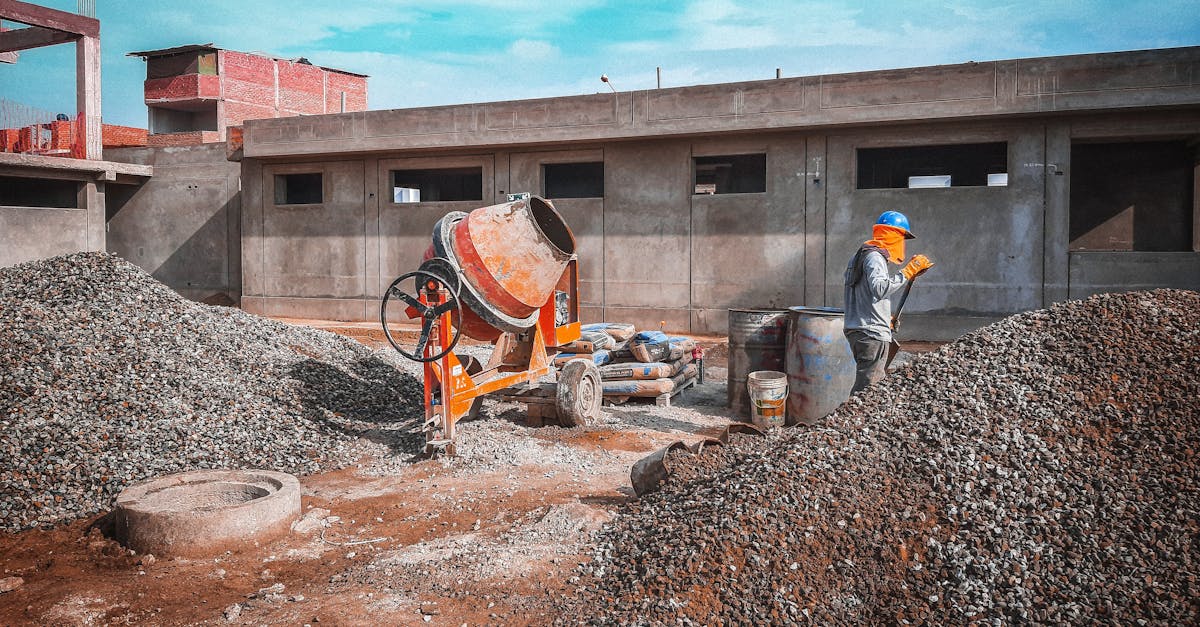
Building a house is a big step, but it does not have to feel out of reach. Many people believe you need millions to get started, which is not always true. Across villages and small towns, people are building solid homes with limited budgets by keeping things simple and planning properly.
This guide gives you a clear and realistic picture of what it actually costs, without overcomplicating things.
What You Can Expect to Pay
In South Africa, building costs are usually calculated per square meter. For a simple house in 2026, a realistic range is:
R4,000 to R7,000 per m²
This applies to basic homes with standard finishes and simple layouts. Costs can be lower or higher depending on your choices, but this is a good starting point.
To make this more practical, here is what that looks like:
A 100 m² house: around R400,000 to R700,000
A 120 m² house: around R500,000 to R840,000
A 150 m² house: around R600,000 to R1 million
These are normal figures for homes that are being built every day in rural and semi-urban areas.
What Actually Drives the Cost
The total cost of your house is not random. It mostly comes down to a few key things.
Size is the biggest factor. The more space you build, the more materials and labour you need. A smaller, well-planned house is often a better choice than a large one that becomes too expensive to finish.
Design also plays a big role. A simple rectangular house is much cheaper to build than a complex shape. Every extra corner or unusual feature adds cost.
Materials matter as well. Standard materials keep costs low. Once you move into custom designs or expensive finishes, the budget increases quickly.
Where Your Money Goes
When building a house, most of your money goes into the structure. This includes:
Foundation and walls
Roof
Windows and doors
Plumbing and electrical work
After that comes finishes like tiles, paint, ceilings, and fittings.
The most important thing is to focus on the structure first. A strong foundation and a good roof will protect your home for years. Finishes can always be improved later.
Keeping Costs Under Control
There are simple ways to keep your build affordable without cutting corners.
First, keep the design straightforward. A clean layout is easier and cheaper to build. Avoid adding things that do not add real value to your daily life.
Second, build in stages if needed. Many people start with the main structure, move in, and then improve the house over time. This reduces pressure and allows you to work within your budget.
Third, choose standard materials. Custom sizes and imported finishes often cost more without adding much practical benefit.
You can also save money by handling small tasks yourself, like painting or basic finishing work, if you have the time.
Costs People Often Forget
Even with a simple house, there are a few extra costs to plan for.
You may need:
House plans
Approval from your municipality
Water and electricity connections
In many areas, these costs are not too high, but it is still wise to set aside around R5,000 to R20,000.
Ignoring these costs can slow down your project later.
A Practical Way to Build
One of the best ways to approach building is to think in steps.
Many people follow a simple path:
Build the main structure
Make the house livable
Improve finishes over time
Add extras later if needed
This approach works well because it allows you to move forward without waiting for a large amount of money.
Build What You Can Finish
A house does not need to be expensive to be valuable. What matters is that it is safe, complete, and works for your needs.
It is better to build a simple home that you can finish than a big one that stays incomplete. Start with what you can afford, focus on the important parts, and take your time with the rest.
Many people are already doing this successfully. With the right mindset and a clear plan, you can do it too.
Read More
Read more articles on the topics that interest you

How to Check and Improve Your Credit Score in South Africa
Get your report, spot errors and build a stronger record with manageable monthly steps

How to Pay Off Debt Faster in South Africa: 6 Moves
A clear plan for choosing repayments, cutting interest and avoiding costly setbacks

Remote Jobs for South Africans: 6 Roles Paid in Dollars
Where to look, what each role requires, and how to keep more of your pay

10 Side Hustles in South Africa to Start in 2026
Compare realistic startup costs, first-sale timelines and the trade-offs before you commit

How to Switch Careers at 35 in South Africa: 6 Steps
A low-risk plan for testing a new field, paying for training and changing jobs
How to Get Your First 10 Customers in South Africa
A four-week plan to test your offer, find buyers and keep costs under control