


Turn ideas into working apps with plain English - no code, Stripe ready.
Get startedSimple Steps to Better Sleep and Mood
A practical, science-backed guide to improving rest, reducing stress, and lifting daily mood.

Good sleep supports mood, energy, and resilience. When sleep quality declines, irritability, worry, and low motivation can follow. This section explains how sleep and mood interact and what practical steps can begin immediately.
Sleep architecture includes cycles of light sleep, deep sleep, and REM. Each stage plays a role in memory, stress regulation, and emotional balance. Consistent routines help the brain prepare for rest and bounce back after daily stressors.
You can start by tracking patterns for a week. A simple journal or a mobile app can reveal correlations between late nights and mood dips. Small adjustments, like more light exposure in the morning and a consistent bed time, create a reinforcing loop toward better sleep.
Daily Habits That Support Sleep and Mood
Consistency is the foundation. Try to wake and go to bed at the same time every day, even on weekends. The regular rhythm trains your body clock and reduces morning grogginess.
During the day, exposure to natural light supports alertness and circadian alignment. Short naps can be useful but keep them brief and early in the afternoon to avoid interfering with night sleep.
In addition, regular movement helps mood and sleep. Aim for 20 to 30 minutes of moderate activity most days, and finish workouts a few hours before bed to lower core body temperature and signal readiness for rest.
Evening Rituals That Promote Restful Sleep
Establish a calming wind-down that signals the brain it is time to rest. Dim lights, limit screens, and engage in a soothing activity such as reading, gentle stretching, or a warm bath.
Keep your bedroom environment conducive to sleep: cool, quiet, and dark. Consider blackout curtains, white noise, or a fan to mask disturbances. A comfortable mattress and pillows further support relaxing sleep.
Nutrition, Caffeine, and Substances
What you eat and drink matters. Avoid heavy meals close to bedtime and choose lighter snacks if hunger strikes after 7 p.m. A balanced diet supports mood regulation and steady energy.
Limit caffeine after early afternoon and watch for alcohol’s effects on sleep architecture. Alcohol may help with falling asleep but often disrupts deep sleep and REM later in the night, affecting mood in the morning.
When to Seek Help and Tools
If sleep problems persist beyond a few weeks or mood changes intensify, consult a healthcare professional. Chronic sleep disruption can be linked to conditions that require evaluation and treatment.
Consider practical tools that support healthy sleep while you address root causes. Sleep trackers, weighted blankets, and relaxation apps can be helpful companions when used as part of a broader plan that includes activity and stress management.
Read More
Read more articles on the topics that interest you

How AI Text Generators Actually Work: A Step-by-Step Explanation
Mechanics behind modern text generation models

Sleep Habits That Support Mental Wellbeing
A science-informed guide to rest, mood, and daily performance.
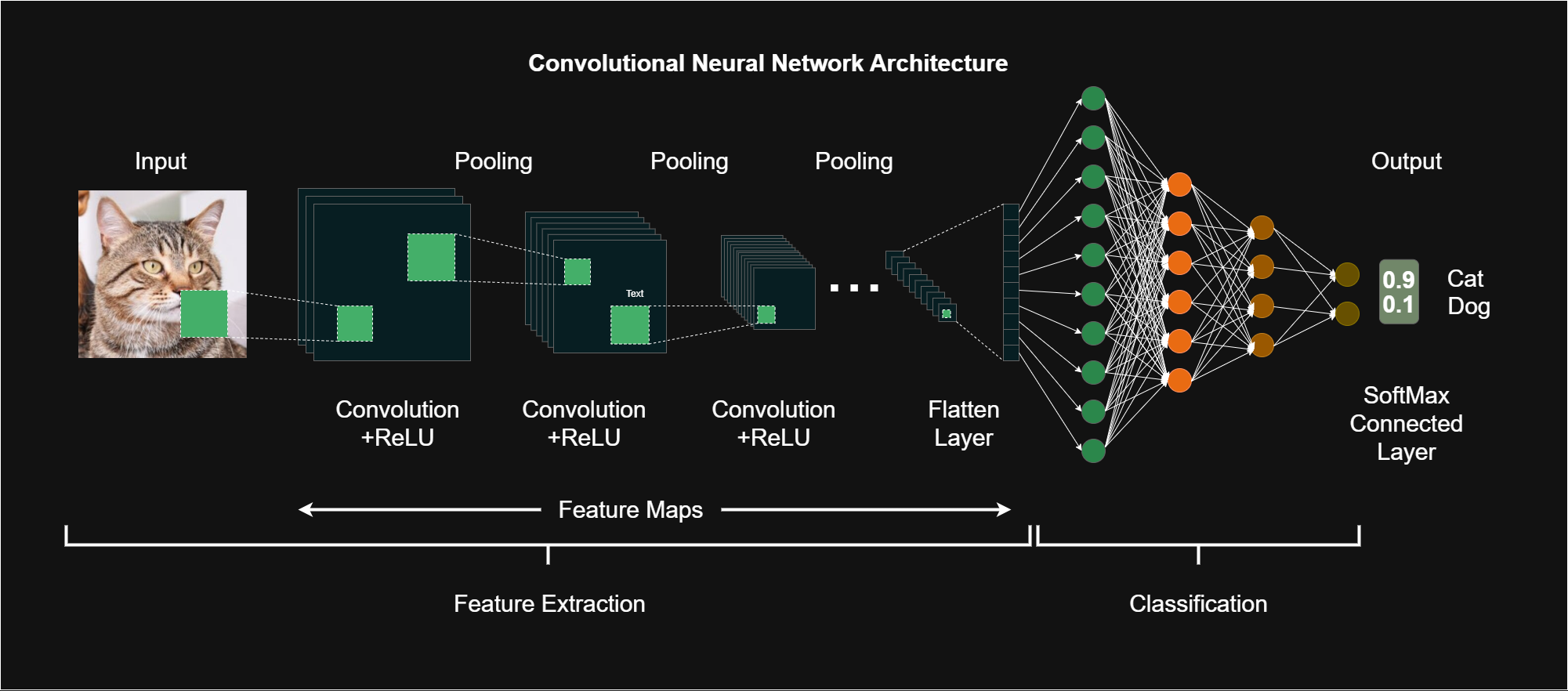
Convolutional Neural Networks in Practice
A focused look at convolutional filters and feature maps for real-world visual tasks

Bias in Vision: When AI Sees Some Faces Better Than Others
Why some faces are easier for machines to recognize, and what that means for fairness

How Gratitude Journaling Changes Your Brain
The Simple Science Behind Writing Down What You’re Thankful For
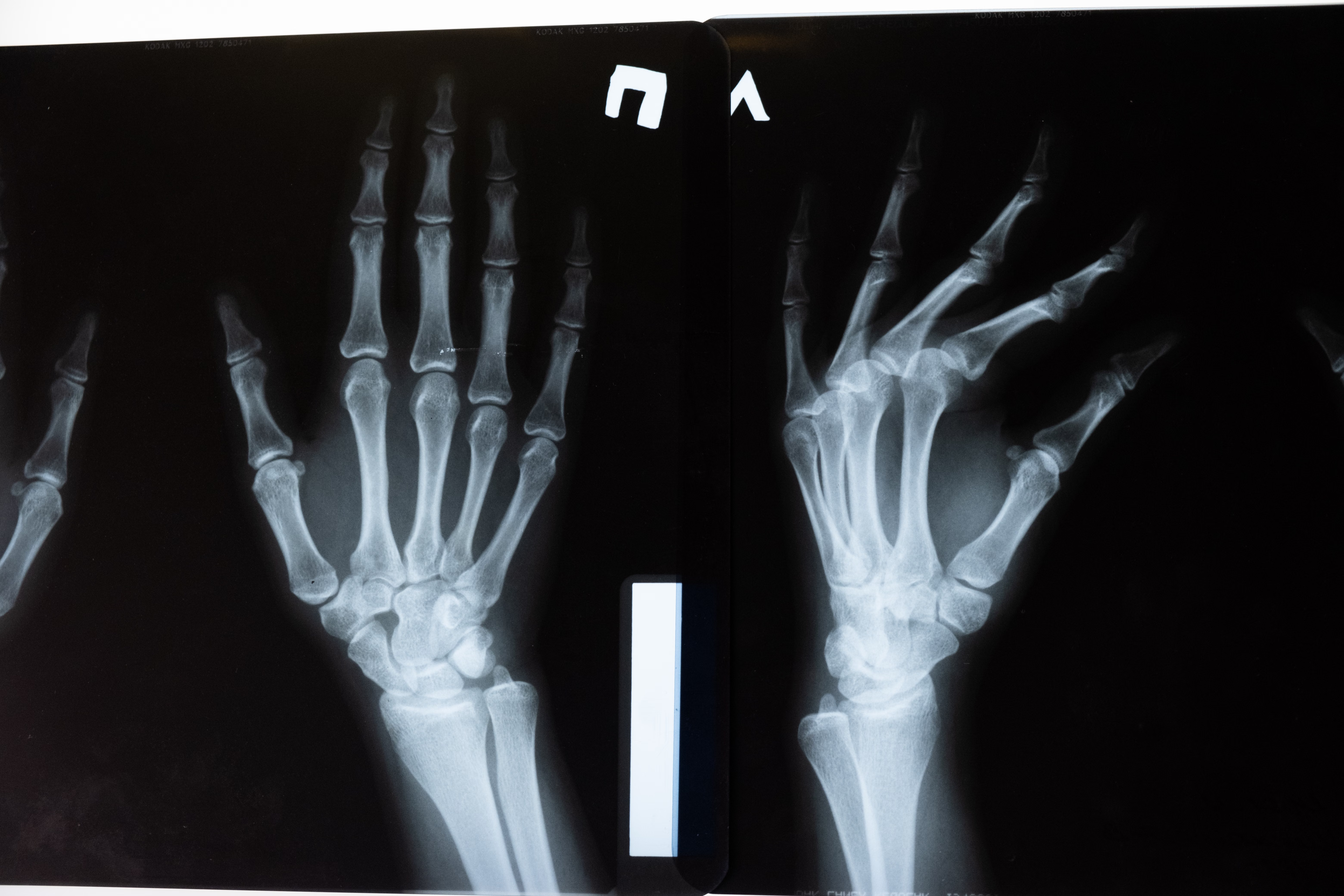
Top 5 Medical Imaging Datasets Driving Advances in Healthcare AI
An overview of the public datasets powering advances in medical imaging AI