


Turn ideas into working apps with plain English - no code, Stripe ready.
Get startedRevolutionizing Education in South Africa
A Blueprint for the Future
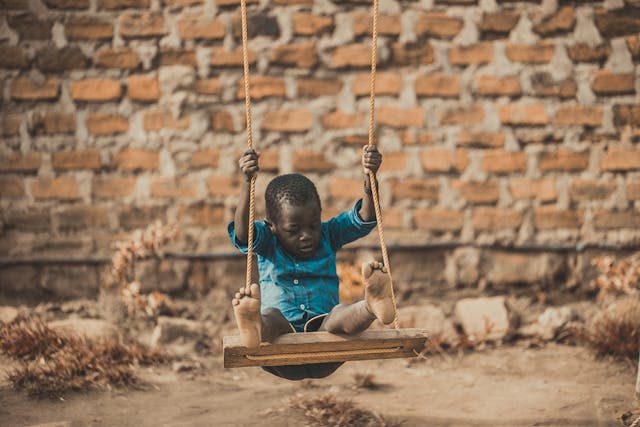
Education has long been the cornerstone of social progress and economic mobility. In South Africa, however, the education system continues to face structural inequities, resource shortages, and outdated pedagogical methods that fail to prepare young people for a rapidly evolving world.
To truly revolutionize education, the country must move beyond reform and embrace transformation, one that is inclusive, technology-driven, and deeply rooted in community and cultural relevance.
1. Building an Equitable and Inclusive Foundation
The first step toward transforming education in South Africa is addressing inequality at its roots. More than 80% of schools in the country are classified as “no-fee” public schools, yet many of these institutions lack basic infrastructure, sufficient teaching materials, and qualified educators. This disparity reinforces cycles of poverty and limits social mobility.
To create an equitable foundation, government policy must prioritize resource redistribution and infrastructural parity. Every learner, whether in a rural township or an urban center, should have access to clean facilities, safe learning environments, libraries, and digital connectivity. A national “Education Infrastructure Fund”, managed through public-private partnerships, could ensure sustainable investment in under-resourced schools.
However, equality in access is not enough; inclusion must extend to pedagogy and curriculum design. Learners with disabilities, linguistic diversity, and cultural differences should be actively considered in all aspects of education planning. Implementing multilingual education policies, where instruction is offered in both home languages and English, has been proven to improve comprehension and retention. Furthermore, schools must integrate indigenous knowledge systems and local histories into their teaching, fostering pride in identity while cultivating critical, global citizens.
Teacher development is also key. South Africa must reimagine teacher training to include mentorship programs, ongoing professional learning communities, and performance-based incentives tied to innovation and inclusivity. Teachers should not just be content deliverers, but facilitators of inquiry, creativity, and social consciousness.
2. Harnessing Technology and Innovation for Learning
Technology has the potential to bridge many of the structural gaps in South African education — but only if it is deployed strategically and equitably. Too often, “digital learning” initiatives fail because they are imposed from the top down without considering context, training, or infrastructure. A truly revolutionary approach would integrate digital transformation at every level: classroom teaching, curriculum design, teacher development, and administration.
A national digital education strategy could focus on three key pillars:
Access to Devices and Connectivity: Partnering with local tech companies and telecommunications providers can make laptops, tablets, and affordable internet accessible to all learners. The government could negotiate zero-rated educational data packages and establish solar-powered digital hubs in rural schools.
Curriculum Transformation: The 21st-century learner must be equipped not only with literacy and numeracy but with digital literacy, problem-solving, and innovation skills. Coding, robotics, artificial intelligence ethics, and environmental science should become core components of the curriculum. This prepares students for the digital economy while fostering creativity and adaptability.
Teacher Empowerment through Technology: Educators need training in digital pedagogy to fully leverage these tools. Virtual teacher academies and peer-learning platforms could allow teachers to share best practices, create open educational resources (OERs), and continuously evolve with technological trends.
Importantly, digital learning should not replace human interaction; it should enhance it. Technology can free up teachers from rote tasks and allow them to focus on mentorship, critical thinking, and personalized guidance, creating classrooms where every learner can thrive.
3. Cultivating Lifelong Learning and Community-Driven Education
True educational transformation extends beyond the walls of schools. South Africa must embrace a lifelong learning ecosystem, one where education is not confined to childhood or formal institutions, but integrated into every stage of life.
This shift begins with community-driven education models. Schools should serve as community hubs, offering evening literacy programs, vocational training, entrepreneurship courses, and cultural workshops for adults. By aligning education with local economic and social needs, communities become active partners in their own development. For instance, agricultural communities could host innovation labs focused on sustainable farming techniques, while urban centers might emphasize digital entrepreneurship and creative industries.
The private sector and higher education institutions also have crucial roles to play. Businesses can offer mentorship, apprenticeships, and micro-credential programs linked directly to job markets. Universities, in turn, must open their research and resources to community education, fostering innovation from the ground up. This networked model of learning blurs the lines between formal and informal education, ensuring that learning remains relevant, accessible, and transformative.
Culturally, South Africa’s diversity should be celebrated as a strength. Incorporating indigenous values of ubuntu , community, respect, and mutual care, can inspire an education system that nurtures empathy alongside excellence. When learners see themselves and their communities reflected in their education, they are more motivated to contribute to societal progress.
Conclusion: A Vision for a Learning Nation
Revolutionizing education in South Africa requires courage, collaboration, and creativity. It is not merely about fixing what is broken but reimagining what is possible. By building an equitable foundation, harnessing technology for empowerment, and embracing lifelong, community-centered learning, South Africa can create a generation of thinkers, innovators, and leaders capable of shaping a just and prosperous future.
Education, at its best, is not just preparation for life, it is life itself. And in reimagining it, South Africa has the opportunity to redefine its destiny.
Read More
Read more articles on the topics that interest you

How to Switch Careers at 35 in South Africa: 6 Steps
A low-risk plan for testing a new field, paying for training and changing jobs

Learnerships in South Africa: How to Apply in 6 Steps
Understand the training, stipend, entry rules and application checks before you commit

How to Get Your First Job With No Experience in South Africa
A four-week plan for building proof, finding vacancies and applying with confidence
10 Skills That Can Land You a Job Within 12 Months
Which skills employers actually hire for, how to learn them fast, and how to prove you can perform

Highest-Paying Jobs in South Africa 2026
Real salary ranges, sector winners, and the qualifications that earn top pay

Is a Computer Science Degree Worth It?
A clear-eyed look at pay, alternatives, and when a diploma still opens doors