
Make Your Daily Routine Work for You
Turn intention into momentum with routines tailored to your goals and energy patterns
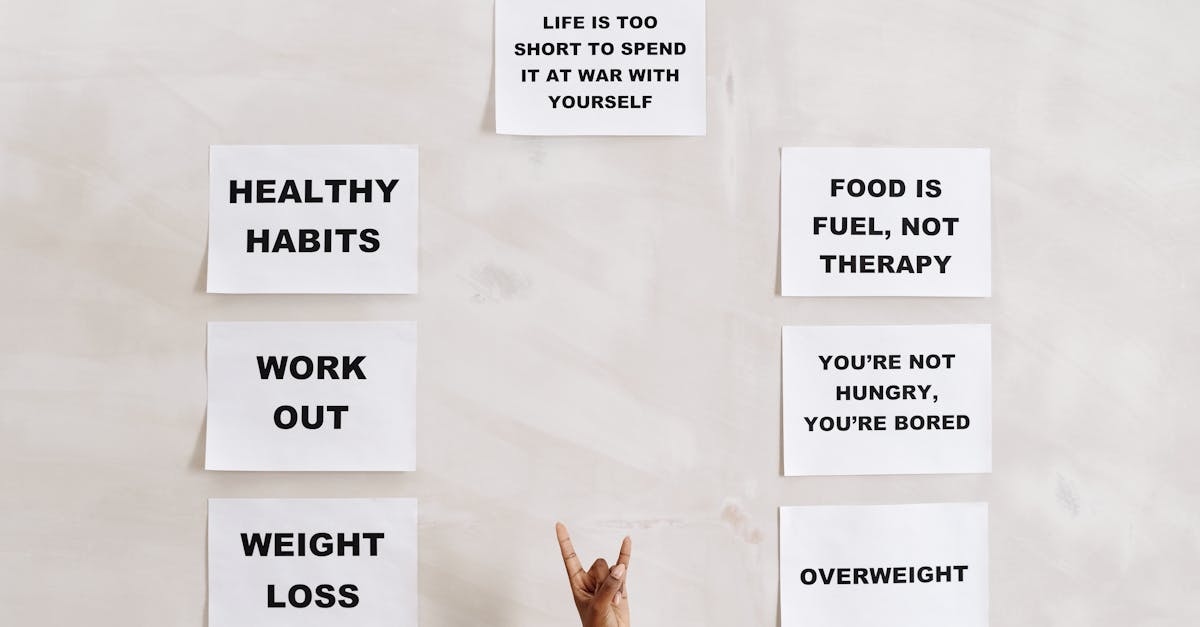
Do you end most days feeling busy but not productive? That disconnect between intention and outcome is usually not a motivation problem; it’s a routine design problem. When your day is shaped by friction, interruptions, and vague priorities, energy leaks and progress stalls. This article shows how to build a daily routine that fits your life, protects your attention, and moves you toward what matters most.
Why a routine should serve goals and energy, not rigid rules
Many routines fail because they copy someone else’s template instead of matching the person who will use it. A high-performing routine aligns with three things: your priorities, your natural energy cycles, and the context of your day. Without alignment, even the most disciplined plan becomes brittle.
Priorities define what gets protected on your calendar. Energy cycles determine when you schedule deep work, exercise, or decision-heavy tasks. Context covers external constraints like family needs or commute time.
Protect a small list of must-do items each day rather than scheduling every minute.
Map your energy by noting times when focus is strongest and when it dips.
Account for context by creating flexible blocks that adapt to meetings and interruptions.
Design routines that are forgiving. A predictable structure reduces daily friction while still leaving room for necessary flexibility.
Build a weekly framework before you pick daily details
Start with a weekly plan instead of trying to perfect every day. A weekly framework makes routines resilient across irregular schedules and helps prioritize longer-term tasks.
List weekly outcomes you want to protect, such as focused project time, exercise sessions, and family time.
Assign each outcome to recurring blocks across the week rather than fixed hours on a single day.
Reserve buffer zones for overflow, travel, or recovery.
Examples of weekly blocks include 90-minute deep work sessions on alternating mornings, three 45-minute workouts spread across the week, and one long planning block on Sunday evening.
Why weekly first? Because it reduces the pressure to make each day perfect and ensures important activities actually happen despite interruptions.
Anchor routines to high-impact cues
Routines stick when they are tied to consistent, visible cues. Anchors are events or contexts you can depend on every day: waking up, a commute, lunchtime, or the start of the workday.
Morning anchor: Use the first 30-60 minutes for a consistent ritual that sets the tone.
Work anchor: Start your focused work block with a short pre-work checklist to signal transition.
Evening anchor: End the day with a routine that separates work from rest.
Anchors reduce decision fatigue. When a trigger reliably prompts the same follow-up actions, the behavior becomes automatic and requires less willpower.
Research in behavioral science shows that stable cues and immediate rewards increase habit formation and adherence over time.
Design a morning routine that sets momentum
Not everyone needs an elaborate morning ritual. The most effective morning routines are short, prioritized, and tied to energy. They prepare your body and brain for the most important work ahead.
Begin with hydration and a brief movement to wake your nervous system.
Spend 5–10 minutes reviewing a short list of priorities for the day.
Schedule the most important task during your highest-energy window.
Sample morning mini-routine:
Wake, drink a glass of water, and do 5 minutes of stretching.
Write down the top 1–2 outcomes you must achieve today.
Start the first focused block immediately after a short transition ritual, like closing unnecessary tabs.
Key idea: Momentum matters more than perfection. Even a 25-minute focused session early in the day can create a psychological anchor that increases the odds of productive follow-through.
Evening routines that protect recovery and next-day performance
Routines are not only about productivity; they also protect recovery. An evening routine that signals the brain to wind down improves sleep, reduces rumination, and primes a clearer next day.
Create a digital cutoff—no screens for 30–60 minutes before bed when possible.
Review accomplishments and set a succinct plan for tomorrow to reduce overnight worry.
Use consistent sleep cues like dim lights, a short relaxation practice, or reading for pleasure.
For evidence on sleep’s role in daily performance, consult the Harvard Medical School on sleep and health for accessible research summaries.
Use habit mechanics to make routines stick
Turn routine items into habits by following the habit loop: cue, routine, reward. The cue triggers the action, the routine is the behavior, and the reward reinforces it.
Choose a clear cue that is already part of your day.
Keep the routine small and repeatable during the first two weeks.
Attach a quick, immediate reward that feels satisfying.
Immediate rewards can be simple: a 2-minute break, a tasty cup of coffee after a focused block, or a progress check that shows movement. These small gratifications help the brain link action to payoff.
Troubleshooting: why routines derail and how to fix them
Routines break for predictable reasons. Identifying the cause quickly allows you to adjust without abandoning the structure altogether.
Cause: Overambitious plans. Fix: Scale goals down to single-action steps that you can repeat reliably.
Cause: Energy mismatch. Fix: Reassign tasks to match high and low energy windows instead of forcing them at inconvenient times.
Cause: Lack of cues. Fix: Add visible triggers like a packed gym bag or a calendar alert that signals the start of the routine.
Cause: Interruption cascade. Fix: Introduce short, consistent recovery rituals after interruptions, such as a 5-minute reset walk.
Use data to iterate. Track how often a routine happens for two weeks and adjust one variable at a time: timing, duration, or cue.
Practical templates you can adapt this week
Below are three adaptable templates: a focused workday, a flexible day with family commitments, and a high-energy physical day. Use them as starting points and modify durations to fit your life.
Focused workday
06:30–07:00 Morning hydration + stretching
07:00–08:30 90-minute deep work block (high-focus task)
12:00–12:45 Movement + lunch
14:00–15:30 Second deep work block
18:00 Evening reset + short planning
Family-first flexible day
07:00 Short morning priorities list
09:00–10:00 Focus block during childcare window
13:00 Light work + errands
17:30 Family time and evening anchor
High-energy physical day
06:00 45-minute workout
08:00 Recovery and focused short task
11:00–12:00 Creative work when energy spikes
19:00 Evening mobility and wind-down
Example calendar entry:
07:00-07:30 Morning ritual: water, 5-min stretch, write 1 priority
09:00-10:30 Deep work: high-impact project
12:00-12:45 Move + lunch
18:30-19:00 Evening reset: review wins, plan 3 tasks
Small experiments yield lasting change
Routines are optimization problems. Treat them like experiments: change one variable, run it for two weeks, then evaluate. Incremental tweaks compound into sustained improvements.
To support broader health and performance goals, review authoritative resources such as the Mayo Clinic on healthy routines and the National Institutes of Health for research-backed recommendations on activity and recovery.
Consistent small wins build the psychological momentum needed for larger shifts over months, not days.
Key takeaways: Align routines to your priorities and energy; anchor actions to consistent cues; use small, repeatable steps; experiment weekly; protect recovery as fiercely as productivity.
Now that you understand how to shape routines around goals and energy, start small and iterate. Choose one anchor, schedule one focused block, and track your consistency for two weeks. That single change will create a foundation you can expand from.
Take the first step this week by choosing one routine anchor and committing to it for fourteen days. With that momentum, you can refine timing, scale duration, and let habit mechanics amplify your progress.
Read More
Read more articles on the topics that interest you

How I Use AI to Increase Productivity
A practical, measurable method for saving hours each month using small AI experiments

Build a Portfolio That Wins Interviews
How to craft case studies, choose samples, and present work that earns callbacks

How to Build Analytical Thinking in a Distracted Digital World
Practical habits, measurable practices, and cognitive routines that strengthen clear thought amid constant interruption

The Digital Habits Quietly Destroying Your Focus
How common phone and app behaviors fragment attention and concrete steps to reclaim deep work

Productivity Systems for Digital Work
How to apply time‑blocking, GTD, kanban, and PKM to focused digital work

Why Digital Productivity Matters More Than Working Harder
How smarter tools, clearer work rules, and automation beat longer hours for real output