
Jobs most likely to be replaced by Artificial Intelligence
Exploring careers at risk due to AI advancements and automation
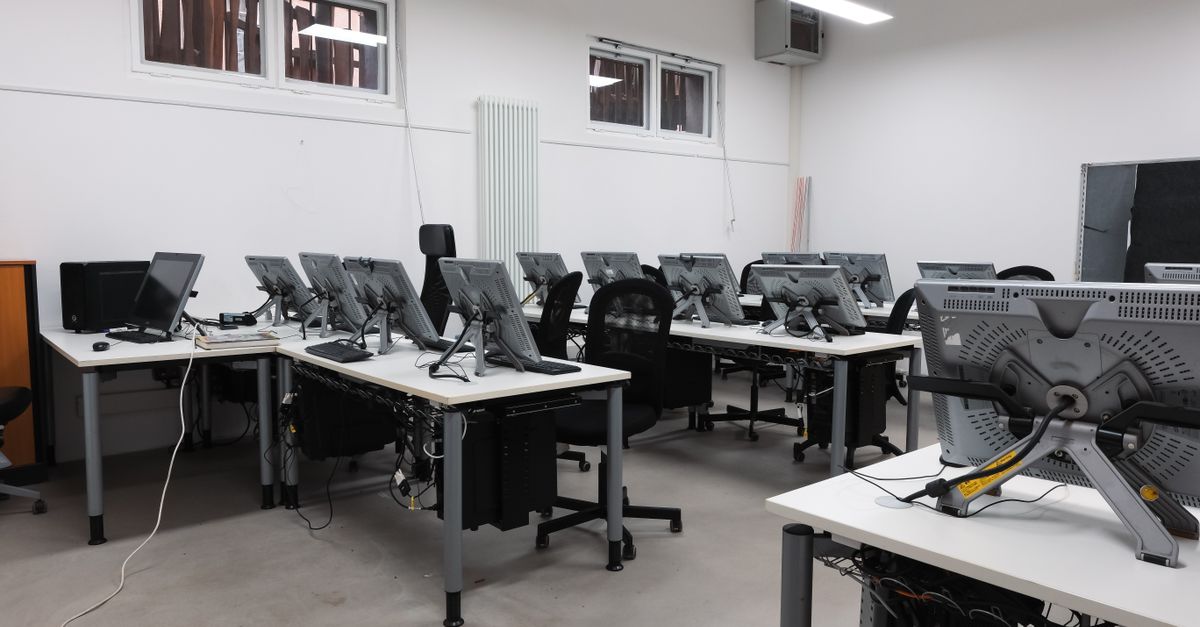
As artificial intelligence continues to advance at an unprecedented rate, it is reshaping the landscape of the job market. In fact, a study by McKinsey Global Institute suggests that by 2030, up to 30% of the global workforce could be displaced by automation, with certain jobs facing a higher risk of obsolescence than others. This alarming statistic highlights the urgency for workers to understand which occupations are most vulnerable and what they can do to safeguard their futures.
In this article, we will explore the types of jobs most likely to be replaced by AI and automation, examining the reasons behind these shifts and offering insights on how individuals can adapt. By the end, readers will gain a clearer understanding of the evolving employment landscape and strategies to remain relevant in a world increasingly dominated by technology.
Understanding the Impact of AI on Employment
The rise of AI and automation is not merely a trend; it represents a profound transformation in how work is performed. Jobs that involve repetitive tasks or data processing are particularly susceptible to replacement by machines that can perform these functions more efficiently. For instance, roles in manufacturing and assembly lines have already seen significant automation, with robots capable of assembling products at a speed and precision that far surpasses human ability.
According to a report from the World Economic Forum, jobs in transportation, logistics, and customer service are also at high risk. Automated delivery systems and AI-powered chatbots are increasingly replacing traditional roles. This shift not only impacts employment numbers but also alters the skills required in the job market, emphasizing the need for adaptability.
High-Risk Jobs: A Closer Look
Several occupations stand out as particularly vulnerable to AI disruption. One of the most at-risk categories includes administrative support roles. Tasks such as scheduling, data entry, and report generation can easily be automated with AI tools, leading to a significant reduction in demand for administrative assistants and clerks. A 2020 study by Oxford University highlighted that up to 69% of administrative jobs could be automated within the next two decades.
Similarly, jobs in the retail sector, especially cashiers, are facing changes due to self-checkout systems and online shopping. Retail employees must now contend with the reality that their roles may not exist in the same capacity in the near future. The National Retail Federation has reported that many retailers are investing heavily in automation technology to enhance efficiency and reduce labor costs.
Furthermore, the transportation industry is experiencing a seismic shift with the development of autonomous vehicles. Truck drivers, for instance, may find their jobs increasingly threatened as companies like Tesla and Waymo advance their self-driving technology. A report by the American Trucking Associations estimates that nearly 3.5 million truck drivers could be affected by this shift.
Skills for the Future: Adapting to Change
As certain jobs become obsolete, the demand for new skills is surging. Workers must focus on developing competencies that AI cannot easily replicate. Critical thinking, creativity, emotional intelligence, and interpersonal skills are becoming increasingly valuable. These attributes not only enhance human interaction but also allow for complex problem-solving that AI cannot fully mimic.
Education and training programs are evolving to address these needs. Many institutions are incorporating AI and technology into their curricula, ensuring that students are prepared for the future workforce. For example, coding and data analysis are becoming fundamental skills, as organizations seek individuals who can work alongside AI systems rather than compete against them.
Emerging Opportunities Amidst Displacement
While AI poses challenges, it also creates new job opportunities. Industries such as healthcare, technology, and renewable energy are expected to see growth as they adapt to the changing landscape. For example, the demand for data scientists and AI specialists is skyrocketing, as organizations require experts to interpret data and develop AI applications.
Moreover, sectors focused on human-centric services, such as mental health and education, will continue to thrive. Human connection and empathy remain irreplaceable in these fields, highlighting the importance of nurturing skills that enhance interpersonal relationships.
Conclusion: Preparing for an AI-Driven Future
The impact of AI on the job market cannot be understated. As we have seen, certain jobs are at a higher risk of being replaced, while others will evolve or emerge altogether. It is essential for workers to remain proactive in their career development, focusing on acquiring skills that complement AI rather than compete with it. By embracing lifelong learning and adaptability, individuals can navigate the changing landscape and find opportunities even in an AI-driven economy.
Read More
Read more articles on the topics that interest you

How to start an AI business in South Africa
Essential steps for launching an AI venture in South Africa
What Is Retrieval-Augmented Generation (RAG), and Why Does It Matter?
How RAG connects AI models to external information

The Jobs Most Likely to Make You Rich in South Africa
Which careers pay far above the average and the realistic paths to reach them

How to Enter a High-Demand Career Without a University Degree
Concrete routes, from bootcamps to apprenticeships that lead to paid roles in tech and trades

10 Skills That Can Land You a Job Within 12 Months
Which skills employers actually hire for, how to learn them fast, and how to prove you can perform

South Africa's Hottest Careers for 2026
Where demand, pay, and training align for the next hiring cycle across key sectors