

Market Data API for Stocks, ETFs & Forex
Access real-time, historical, and end-of-day financial data.
Is Building Your Credit Score a Trap?
How a useful number can push people into costly borrowing and lower-cost alternatives to consider
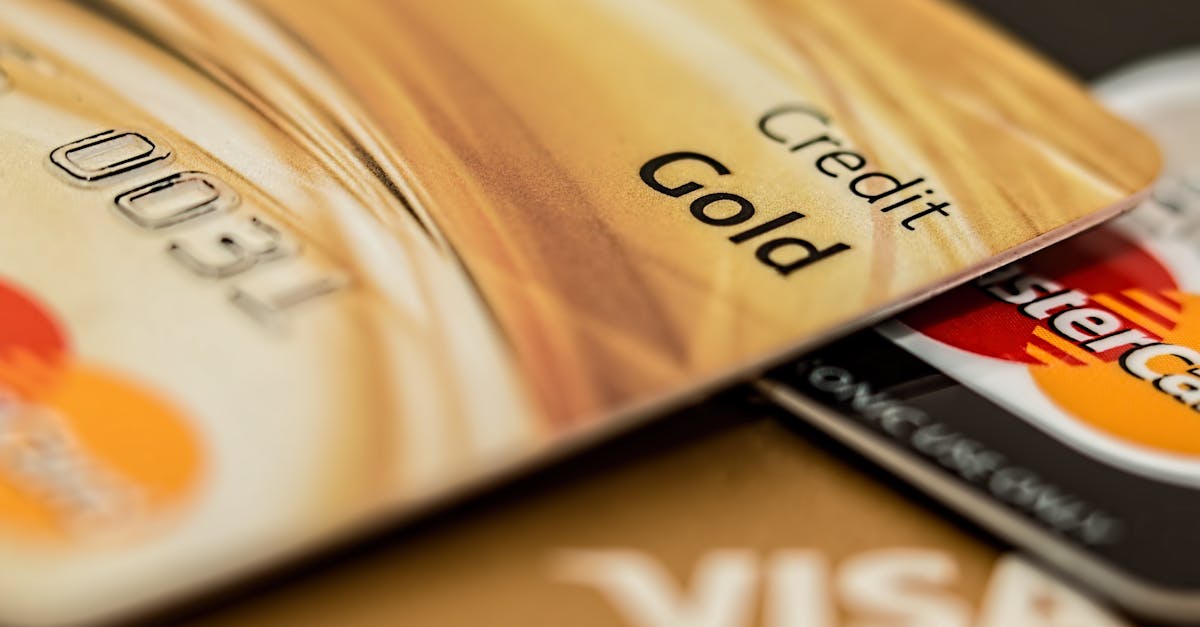
Americans carried roughly $1.1 trillion in credit card debt at the end of 2023, and that unpaid interest is the price many people pay for the very thing they were told would unlock better financial lives: a higher credit score.
By the end of this piece you will understand how credit scores are calculated, where the incentives push consumers toward borrowing, who benefits, and practical, lower-cost ways to establish credit without paying for it with high interest or recurring fees.
Why a three-digit number runs so much of your life
The credit score is not a measure of virtue. It is an algorithmic shorthand lenders use to estimate the probability someone will repay a loan. The dominant model, FICO, weighs payment history at roughly 35 percent, amounts owed at 30 percent, length of credit history about 15 percent, new credit 10 percent, and credit mix 10 percent. That mix rewards punctual payments and low utilization, but it also favors borrowing behavior that produces the very data the model needs.
For a bank, a consumer who has used credit and paid back on time is easier to evaluate than someone with no credit history. That makes sense for underwriting. The problem appears when the system nudges people to generate data by taking on credit they do not otherwise need. Opening a card, using it, and carrying a balance—even briefly—produces tradelines, utilization metrics, and payment records that improve scores. Those improvements can lower your cost of credit on a mortgage or car loan, but only if the improvement isn't bought with more in interest and fees than you will save.
$1.1 trillion: the level of outstanding credit card debt at the end of 2023, according to the Federal Reserve's consumer credit report.
The incentive architecture: who benefits when you chase a score
Credit bureaus and scoring companies make money by compiling and selling data and by licensing models. Lenders profit when they can commodify risk into prices: someone with a 720 score gets a lower interest rate than someone with a 640 score. That spread can be meaningful. On a 30-year mortgage, a 0.5 to 1.0 percentage point difference in rate can translate to tens of thousands of dollars over the loan life.
But that upside for consumers — better rates on large loans — is only realized if the consumer will actually take out those loans and if the cost to get the higher score is less than the benefit. For many low-income households the math breaks down. Carrying a $3,000 balance at a 24 percent APR costs roughly $720 in interest the first year alone. That is a direct cost paid to lenders for the data value produced by that borrower. The system rewards the production of credit signals; someone has to pay for them.
Common tactics to "build" credit and their real costs
Several strategies are widely recommended: secured credit cards, authorized-user piggybacking, credit-builder loans, rent reporting, and services like Experian Boost that add utility bills to your file. Each works, but with conditions and trade-offs.
Secured cards require a cash deposit that becomes your credit line. If used and paid in full each month, carry no interest cost, and can improve score over time. They often come with fees and less favorable terms than standard cards. Authorized-user strategies let someone with a long, clean credit history add you to a card; you inherit that positive tradeline, but you also inherit risk if the primary cardholder later racks up debt or closes the account. Credit-builder loans—small installment loans where your payments are reported and held in a savings account—are low-cost and intentionally designed to create positive payment history without requiring high APRs.
Services that report rent or utilities can help people with little traditional credit, but they depend on a downstream lender actually considering those entries. Not all mortgage underwriters or lenders treat rent reporting equally, and some scoring algorithms weigh those signals differently.
When a push to build credit becomes a debt treadmill
Imagine two people, both 28 and both trying to raise their FICO score by 80 points to qualify for a lower mortgage rate. One opens a secured card, spends $50 a month, pays it off, and over two years sees a steady rise. The other opens a high-fee subprime card, carries an average balance of $1,200 at 24 percent APR to show active use, and keeps a payment record of mostly on-time but occasionally late payments. The second borrower may see a faster score lift in the short term because of active use, but they will also pay hundreds in interest and risk missing a payment that erases gains.
Credit scoring rewards activity and history, not thrift. That creates a behavioral trap: lenders prefer borrowers who use credit; scoring vendors reward tradelines; consumers are told to "use credit responsibly" and to keep utilization low. The simplest route for many people to generate the necessary records—carrying balances or paying recurring product fees—is also the most expensive. The system rewards the production of measurable credit behavior, and someone pays for it every month in interest, fees, or lost liquidity.
Who is most likely to fall into the trap
Young adults, recent immigrants, people reentering financial life after bankruptcy, and households without checking accounts are the most vulnerable. They need tradelines to demonstrate reliability, but they also lack cushions to absorb missteps. Predatory subprime products and high-fee options are disproportionately marketed to these groups because they are profitable: they extract fees and interest while providing the data that scoring models prize.
Credit invisibility also has consequences. The Consumer Financial Protection Bureau explains the basics of credit scores and how underwriting decisions are made, but the path from being invisible to having a robust file is not uniform, and it often channels people toward expensive options. That is why credit education without affordable tools is incomplete.
Lower-cost, high-leverage alternatives
Not all paths to a better score require riding an interest tide. Credit-builder loans offered by community banks and credit unions are deliberately low-cost: you make payments that are reported to bureaus and at the end you receive the principal. Secured cards with no annual fee and disciplined monthly payoff produce zero interest costs. Rent-reporting services and payroll-based reporting can add nontraditional but useful data to a file. Becoming an authorized user on a trusted relative's card can be effective, but it requires clear agreements and safeguards.
Small changes in behavior also compound: keeping utilization under 10 to 30 percent on revolving accounts, avoiding multiple inquiries in a short period, and sustaining on-time payments will move a score without taking on high-interest debt. If you chase a score for a specific product, do the math: how much will the score increase save you on the product, and how much will you pay to get it? Often the answer favours a slow, fee-free approach.
Policy and market fixes that would reduce the trap
Some reforms would make credit building less punitive. First, broader acceptance of nontraditional payment data—rent, utilities, telecom—by mortgage and auto underwriters would reduce pressure to generate revolving credit tradelines. Second, stricter rules on marketing and fees for credit-builder products would limit exploitative offers. Third, incentives for banks to offer low-cost starter products without punitive APRs would create honest pathways into the system.
Regulators have shown interest. The Consumer Financial Protection Bureau publishes guides on credit reports and scores and has monitored credit card practices; the Federal Reserve publishes the data that show where balances and costs are rising. Those data are useful for reformers and consumers alike, but policy shifts take time and political will.
A pragmatic checklist before you "build" credit
Do the arithmetic. If a higher score is intended to reduce mortgage costs, estimate the dollar savings and compare that with the interest and fees you might pay to achieve the score. Favor tools that create payment history without interest: credit-builder loans, no-fee secured cards financed by your deposit, and rent reporting. Keep utilization low and avoid many new inquiries in a short window. If you use an authorized-user strategy, document expectations with the primary cardholder and verify the issuer reports the account to credit bureaus.
Most importantly, never treat a score as the same thing as financial health. A high score can coexist with fragile finances. Paying down high-rate debt and building emergency savings will often put you in a better position than chasing an incremental score increase purchased at the cost of interest payments.
Credit scores matter because creditors use them. They should not matter so much that you take on undue cost to change a number on a report. There are affordable, sensible ways to establish credit that do not require becoming a steady revenue stream for lenders and bureaus. Choose those routes first, measure the trade-offs clearly when a faster path seems tempting, and remember that the healthiest financial decision is the one that reduces your long-term fragility, not just raises a three-digit rating.
Read More
Read more articles on the topics that interest you

How to Switch Careers at 35 in South Africa: 6 Steps
A low-risk plan for testing a new field, paying for training and changing jobs

How to Build an Emergency Fund on a South African Salary
A step-by-step plan with rand targets, realistic timelines and safe places to keep your cash

Solar Cost for Small Businesses in South Africa: Ranges
See what different system sizes include, where extra costs hide, and how to compare quotes

7 Ways to Invest R10k in South Africa: 2026 Options
Compare risk, access and costs before choosing where your first R10,000 should go

How to Ask for a Raise in South Africa: What to Say
Build a case with evidence, choose your timing and practise a script before the meeting

How to Buy Bitcoin in South Africa Legally in 5 Steps
Choose a provider, pay in rand, check the costs and keep tax records