


Turn ideas into working apps with plain English - no code, Stripe ready.
Get startedCoping Strategies That Build Youth Resilience
A practical, educator-led guide to developing resilience through coping skills, digital well-being, and growth-minded routines.
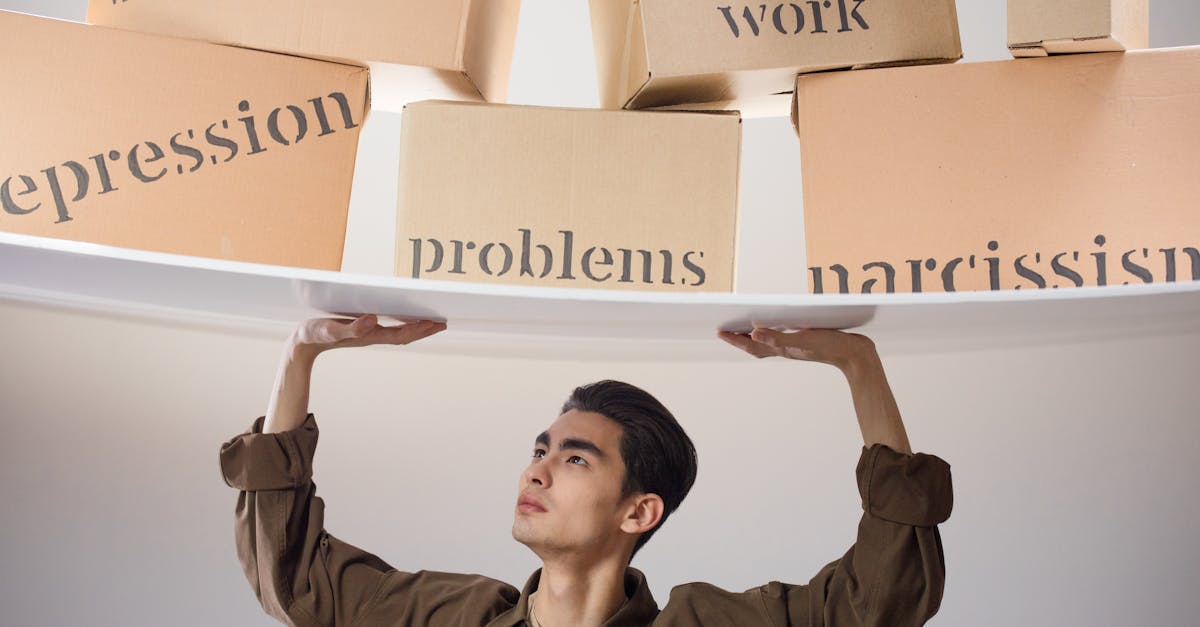
Understanding Resilience in Youth Today
Resilience is the capacity to recover from setback, adapt to change, and keep learning under pressure. For young people, this means balancing school, friendships, technology, and everyday uncertainty.
In Gen Z, constant connectivity and online feedback can intensify stress, so resilience also involves choosing when to engage and how to recover. Resilient youths don't avoid stress; they process it, seek support, and translate challenges into growth.
In practice, resilience blends mindsets, routines, and social connections. This framework provides a clear starting point for daily life, with beginner explanations and practical steps you can apply.
Develop Practical Coping Skills: A Step-by-Step Guide
Building coping skills starts with small, repeatable steps. Begin by identifying two common triggers, such as test anxiety or online feedback. Then select one coping tactic for immediate use, like a brief breathing exercise or a short walk.
Practice daily for two weeks, then review which tactics helped most. The goal is a personal toolkit you can apply in varied situations. This how-to approach aligns with learning paths and practical digital and analytical skills, supporting steady growth rather than quick fixes.
Identify triggers and contexts
Choose 1–2 coping tactics for quick use
Practice daily and track what works
Review and adjust your toolkit over time
Regular review ensures the toolkit stays relevant to school, friendships, and online life.
Managing Stress with Simple Routines
Simple routines can reduce the intensity of daily stress. Try a short, consistent practice each day: a 5-minute body scan, 5 minutes of light activity, and 5 minutes of reflective journaling or quiet breathing.
These micro-breaks help reset attention, improve mood, and support sleep quality. A predictable routine also builds confidence, which is a core part of mental well-being and growth.
Digital Well-being and Social Media Boundaries
Healthy online habits protect resilience. Start with a practical audit of your apps, set clear time limits, and designate device-free zones or times. Curate feeds to include positive, informative content and mute or unfollow sources that trigger stress.
When posting, consider twice before sharing to reduce impulsive responses. These steps support digital well-being and minimize online stress.
Building Support Networks and Communication
Resilience grows from trusted relationships. Identify adults you can turn to—parents, teachers, coaches, mentors—and practice asking for help. Forge supportive peer connections through study groups or club activities.
Use brief, honest scripts to check in: “I felt overwhelmed today; could we find a time to talk?” Clear communication strengthens emotional safety and expands your network of support.
Learning Paths for Growth
Turn coping into a long-term habit by creating a personal growth plan. Set 1–2 achievable goals, choose beginner-friendly resources or how-to guides, and schedule regular practice sessions. Track progress in a simple log, and adjust as needed.
Framing resilience as a learning path makes mental well-being an ongoing, skill-based pursuit, not a one-off effort.
Read More
Read more articles on the topics that interest you

How to Switch Careers at 35 in South Africa: 6 Steps
A low-risk plan for testing a new field, paying for training and changing jobs

Learnerships in South Africa: How to Apply in 6 Steps
Understand the training, stipend, entry rules and application checks before you commit

How to Get Your First Job With No Experience in South Africa
A four-week plan for building proof, finding vacancies and applying with confidence

6 Ways South African Youth Can Fight AI Unemployment
Build skills employers need, earn while learning and make AI work alongside you

10 Skills That Can Land You a Job Within 12 Months
Which skills employers actually hire for, how to learn them fast, and how to prove you can perform

Highest-paid jobs in South Africa 2026
Salary ranges, real examples and where demand is strongest across sectors